Over the past 11 years since China proposed the joint construction of the Belt and Road Initiative, regional economic cooperation and development have entered a new stage, and financial investment has also ushered in unprecedented opportunities: by establishing branches and conducting cross-border business in countries along the Belt and Road, financial institutions have expanded the coverage and efficiency of financial services, gradually forming a networked layout. At the same time, the economic development and market opening of countries along the Belt and Road have also provided wealth management institutions with diversified asset allocation opportunities, including gold, stocks, bonds, funds, and real estate.
As a province in China connected to ASEAN countries by both land and sea, Guangxi boasts the Beibu Gulf coastline and multiple border ports, serving as a key gateway linking ASEAN and the core area of the China-ASEAN Free Trade Zone. Its promotion of cross-border RMB settlement and the construction of the Nanning regional financial center have provided solid financial support for Belt and Road projects.
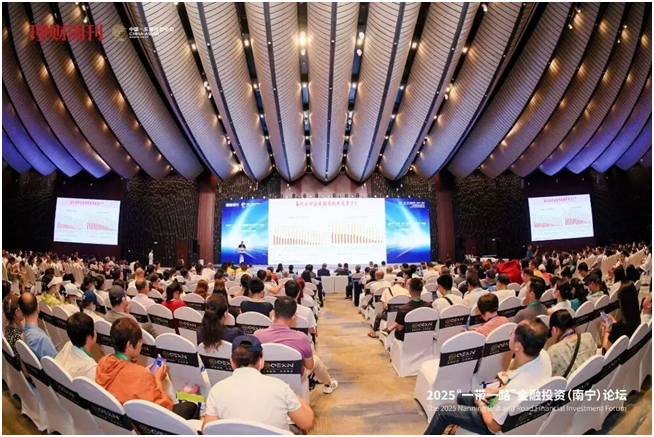
To further explore the economic hot topics of the Belt and Road and discuss the opportunities and challenges of financial investment in ASEAN, on August 2, under the theme "Wealth Ignites the Green City, Connectivity Links the Silk Road," the 2025 "Belt and Road" Financial Investment (Nanning) Forum—the Nanning stop of the Shanghai Wealth Management Expo—was grandly held at the Nanning Convention Center Howard Johnson Hotel.
This forum was organized by ‘MoneyWeekly’, co-hosted by the China-ASEAN Economic and Trade Center and Shanghai ‘MoneyWeekly’ Media Co., Ltd., and strongly supported by the Guangxi International Expo Group, the Silk Road International Chamber of Commerce, the Shanghai Wealth Management Expo Organizing Committee, the Shanghai Modern Service Industry Development Research Institute, the Hong Kong China Financial Advisors Association, the Lujiazui Family Office Alliance, the All-Star Professional Traders Alliance, and the China Analysts Alliance.
Distinguished guests in attendance included: Zhang Wenxue, former Vice Chairman and leading member of the People's Government of Guangxi Zhuang Autonomous Region and former Vice Chairman of the Guangxi Zhuang Autonomous Region Committee of the Chinese People's Political Consultative Conference; Chen Yue, Chairman of ‘MoneyWeekly’ Media; Deng Shijun, Deputy General Manager of the Guangxi International Expo Group; Qin Zixin, Party Branch Secretary of the China-ASEAN Economic and Trade Center; Shao Yu, specially appointed Senior Research Fellow of the National Finance and Development Laboratory, Director of the China Chief Economists Forum, and specially appointed Professor of the School of Management at Fudan University; Li Yunliang, National Senior Auditor, evaluation expert of the Ministry of Science and Technology’s SME Innovation Fund, and Director of the Economic Committee of the Guangxi Committee of the China Democratic League; as well as Feng Li, General Assistant of the Nanning Branch of Xiangcai Securities, among other important guests.
Building a New Silk Road Corridor, Empowering Regional Coordinated Development Under the Belt and Road Initiative
Strategically positioned along the coast, rivers, and borders, and serving as a vital link between the Greater Bay Area, Southwest and Central-South China, and ASEAN, Guangxi possesses unique advantages in resources, geography, and practical scenarios through its "three edges and three connections." This makes it a critical bridge connecting China and ASEAN within the Belt and Road Initiative.
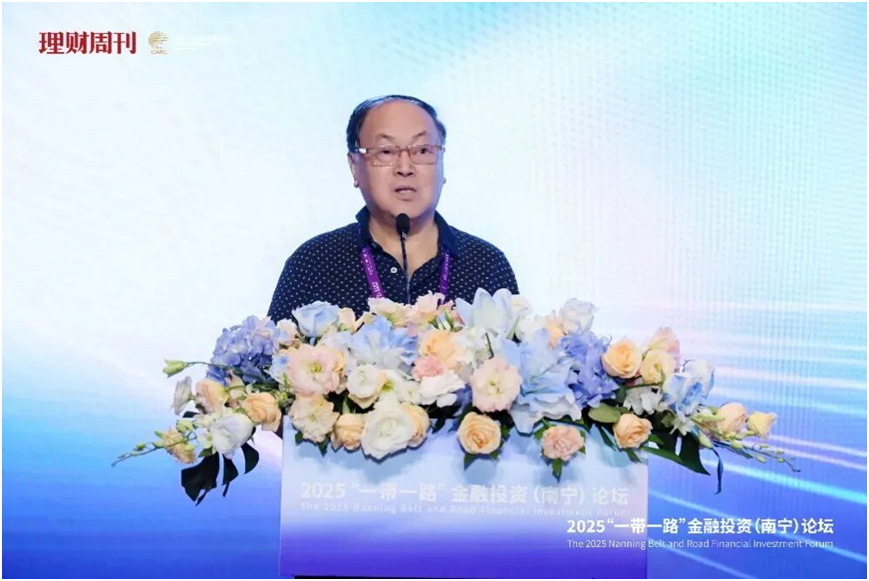
In his opening speech, Zhang Wenxue, former Vice Chairman and leading member of the People's Government of Guangxi Zhuang Autonomous Region and former Vice Chairman of the Guangxi Zhuang Autonomous Region Committee of the Chinese People's Political Consultative Conference, emphasized that Guangxi has long adhered to the principles of extensive consultation, joint contribution, and shared benefits. It has continuously deepened industry-finance cooperation, empowering financial collaboration to enhance people's well-being and ensuring that development achievements benefit a broader population.
"Currently, cross-border RMB settlement between Guangxi and ASEAN countries has steadily and continuously expanded, and the interconnectivity of financial infrastructure has been further strengthened, providing robust support for regional economic and trade cooperation," he stated. "This forum brings together diverse stakeholders to explore new pathways for financial cooperation in the new era, focusing on ASEAN financial collaboration. We look forward to working with all parties to promote the establishment of a more open, inclusive, and equitable regional financial cooperation system. By enabling cross-border finance to better serve the Belt and Road Initiative and ensuring that the outcomes of financial cooperation benefit people across nations, we aim to inject financial momentum into building a closer China-ASEAN community with a shared future."
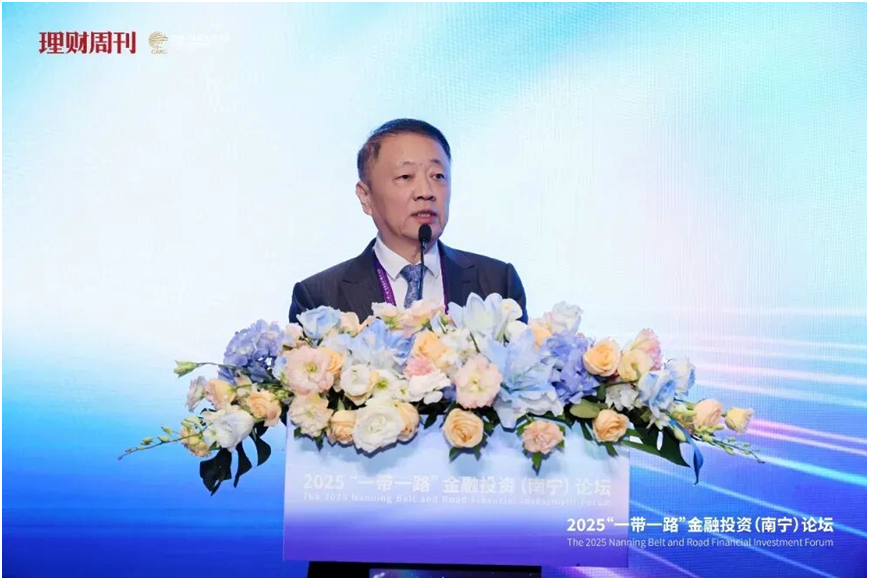
Chen Yue, Chairman of ‘MoneyWeekly’ Media—the organizing entity—also noted that since China proposed the Belt and Road Initiative in 2013, international economic cooperation has opened a new chapter, and the field of financial investment has ushered in unprecedented development opportunities: the internationalization of the RMB has progressed steadily, cross-border investment and financing channels have continued to expand, digital financial innovation has surged, green financial cooperation has deepened, and the level of regional financial connectivity has significantly improved, providing broad prospects for the international development of financial institutions. “However, opportunities coexist with challenges. Currently, the international geopolitical landscape is complex, and some countries along the Belt and Road are facing financial risks, including debt pressure and exchange rate volatility. Significant differences persist in legal frameworks, regulations, and supervisory systems, while issues like information asymmetry and insufficient corporate credit transparency remain prominent. How to seize opportunities, address challenges, and promote the steady and long-term advancement of Belt and Road financial investment is precisely the core focus of this forum,” he stressed. “Hosting the Belt and Road Financial Investment Forum here in Guangxi carries special significance—Guangxi is not only a key node of the Belt and Road but also a vital gateway connecting ASEAN. In recent years, Guangxi has achieved remarkable results in advancing cross-border RMB settlement and building the Nanning regional financial center, providing solid financial support for Belt and Road projects while paving a convenient path for Chinese financial institutions to expand into the Southeast Asian market. Through vigorous exchange of ideas and selfless sharing of experience, we hope today’s forum can contribute high-level insights and practical solutions to financial cooperation under the Belt and Road Initiative.”
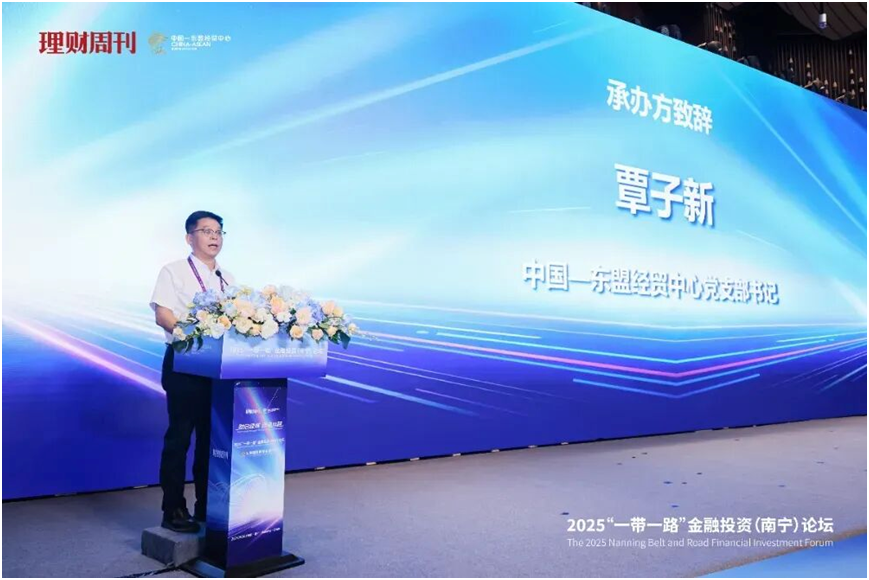
As a "one-stop" integrated service platform supporting enterprises in "going global" and "attracting foreign investment," the China-ASEAN Economic and Trade Center—the forum's co-organizer—has always been committed to becoming the optimal partner for enterprises seeking to expand cross-border industrial, supply, and value chains between China and ASEAN. At the forum, Qin Zixin, Party Branch Secretary of the China-ASEAN Economic and Trade Center, also noted:
"Nanning serves as a frontline window for China's opening and cooperation with ASEAN and a crucial node in the seamless integration of the Belt and Road Initiative. From the 'China-ASEAN Free Trade Area' to the implementation of RCEP, and from the 'New Western Land-Sea Corridor' to the development of the 'China-ASEAN Financial City,' this city has consistently stood at the forefront of Sino-foreign economic and trade cooperation, witnessing the profound leap in China-ASEAN relations from 'trading partners' to 'investment partners.'
The hosting of this Belt and Road International Financial Investment Forum in Nanning not only represents a precise alignment of 'Shanghai’s financial expertise' with 'Nanning’s ASEAN resources' but also serves as a vivid signal of global financial resources converging toward the China-ASEAN market. We hope today's forum will not only be a platform for 'intellectual exchange' but also a starting point for 'resource connectivity'—enabling well-funded institutions to discover high-quality projects, empowering project-driven enterprises to access matching capital, helping investors with specific needs find professional solutions, ensuring that financial resources flow effectively into the fertile ground of the real economy, and ensuring that the fruits of cooperation benefit more countries and peoples."
Forging a New Channel for Wealth: Strategic Opportunities Amid Capital Restructuring
This forum attracted numerous representatives from domestic and international banks, insurance companies, securities firms, funds, and futures institutions, as well as top industry experts, seasoned scholars, practical leaders, representatives from family offices, high-net-worth individuals, professional media, and research institutions. Through diverse sessions such as in-depth speeches, roundtable discussions, and peak debates, the forum gathered global financial wisdom, focused on the economic hot topics of the "Belt and Road" initiative, and explored the opportunities and challenges of financial investment in ASEAN.
The keynote speaker, Dr. Shao Yu—Special Senior Research Fellow at the National Finance and Development Laboratory, Council Member of the China Chief Economists Forum, and Special Professor at the School of Management, Fudan University—delivered a presentation titled "Globalization 3.5: New Quality Productive Forces Empowering the Belt and Road," providing a profound analysis of how new quality productive forces inject new momentum into the "Belt and Road" initiative. He pointed out that products such as humanoid robots, quantum computers, next-generation displays, brain-computer interfaces, 6G network equipment, ultra-large-scale new intelligent computing centers, the third-generation internet, advanced and efficient aviation equipment, and deep resource exploration and development equipment will become the breakthrough products of new quality productive forces. Furthermore, in the strategic planning of Globalization 4.0, the "Belt and Road" strategy, multi-level free trade agreements, and the development of domestic free trade zones will serve as key focal points.
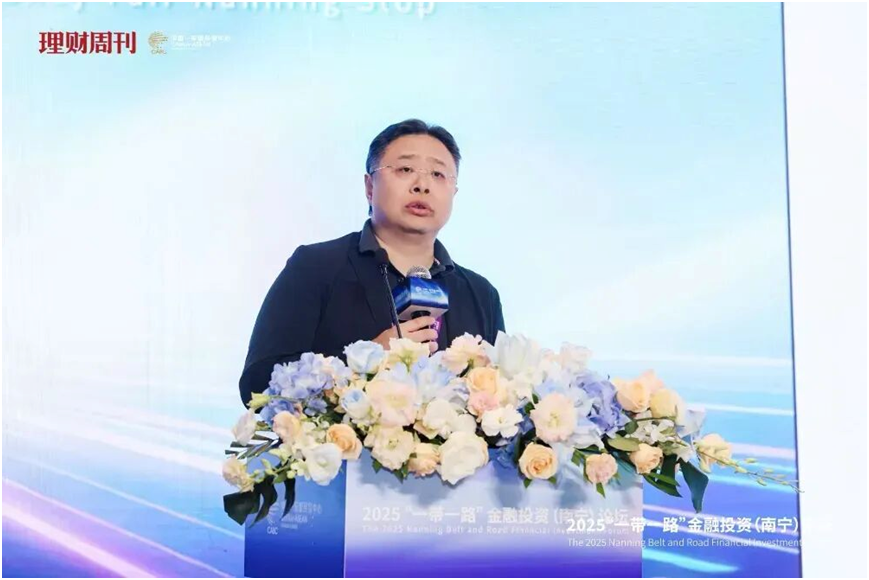
Li Yunliang, a National Senior Auditor, evaluation expert for the Ministry of Science and Technology’s SME Innovation Fund, and Director of the Economic Committee of the Guangxi Regional Committee of the China Democratic League, engaged with the attendees from multiple perspectives—including the advantages of the bay area, strategic landscape, policy support, industrial layout, and the current situation in Southeast Asia—to discuss new financial opportunities along the Silk Road and explore new investment strategies for the region. He shared his insights under the theme "Investment Thinking Based on the Beibu Gulf, Facing Southeast Asia: Developing the Maritime Economy and Open Development."
He pointed out that China possesses strong competitiveness in areas such as construction services, maritime transport, tourism, computer and information services, and business services. At the same time, the establishment of the China-ASEAN Free Trade Area has built a smoother trade bridge and a broader platform for private enterprises to expand into overseas markets. However, he emphasized that investing in the ASEAN market still requires careful attention to risks related to the investment environment and market structure. Factors such as market opportunities, entry barriers, investment positioning, strategy, and objectives are all crucial and must be thoroughly considered in the strategic planning process.
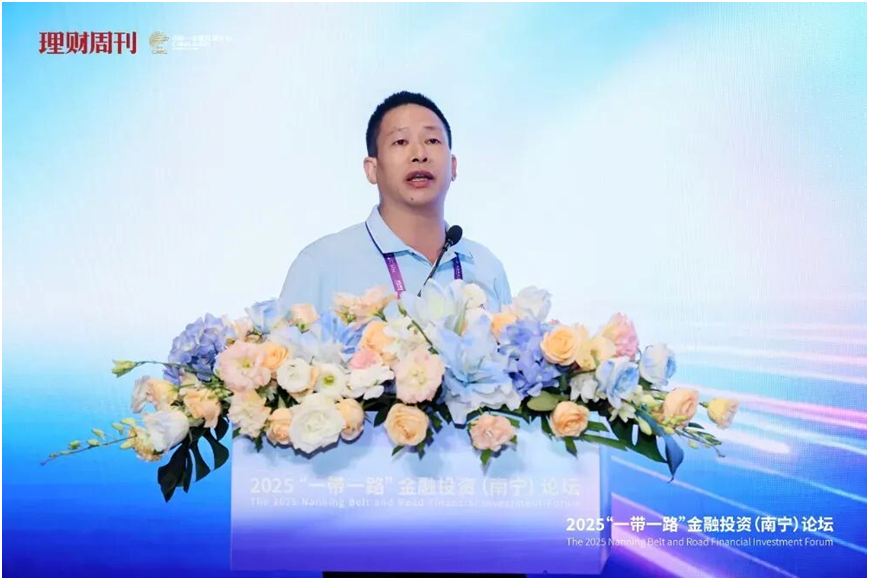
Mao Jian, Head of the Product Department at Noah Zhengxing, shared Noah's insights and practices in internationalization, delving into how to "Take the Lead in Going Global and Build a New Ecosystem for Wealth Management for Global Chinese Clients." Since May, numerous ultra-family offices have shifted their focus from the United States to Asia, while the number of high-net-worth individuals among the global Chinese population continues to grow. With the arrival of a new wave of wealth transfer, the investor demographic is becoming younger, and wealth management needs are increasingly trending toward diversification and personalization.
She advised that Chinese-speaking wealth managers must consider three key elements when constructing and optimizing strategic asset allocation plans: geographic selection, respect for probability, and bottom-line thinking. She also emphasized that "time in the market" is far more important than "timing the market."
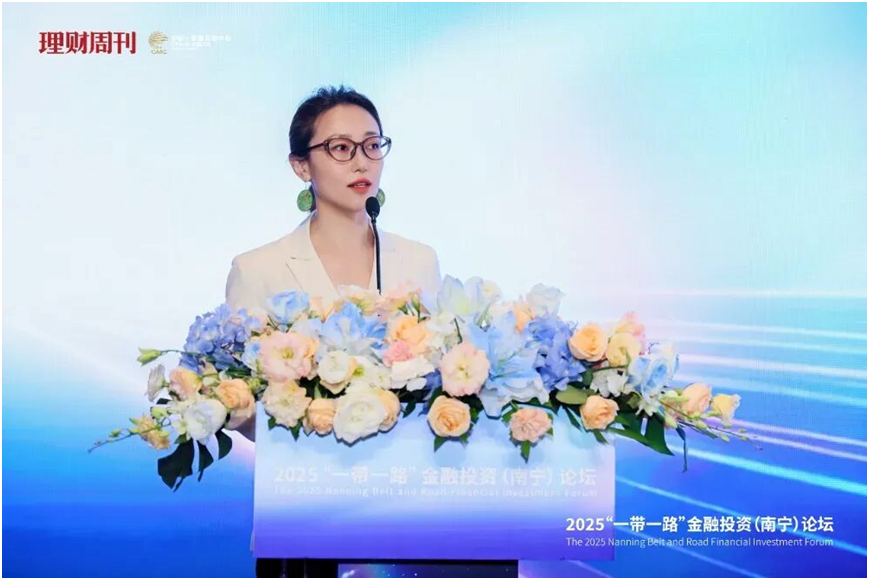
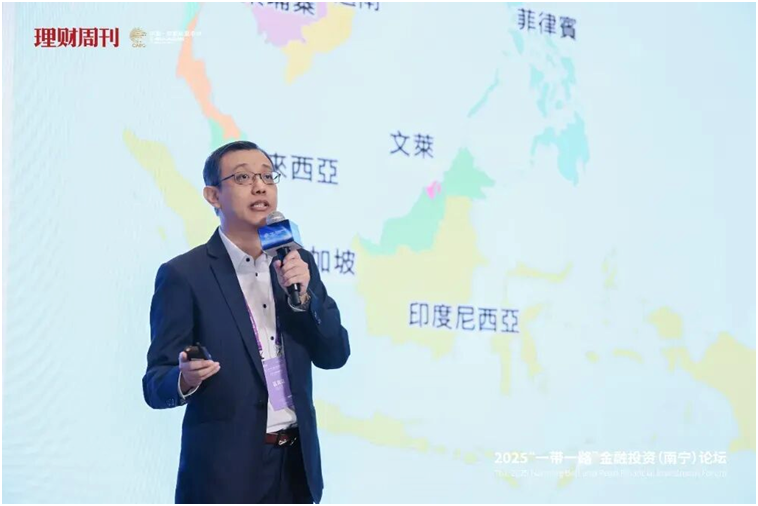
In recent years, Southeast Asia has emerged as the primary destination for Chinese companies expanding overseas, thanks to its unique geographical location, strong demographic dividends, and supportive policies. As the economic leader in the region, Singapore has naturally become the preferred choice for many enterprises, thereby offering structural opportunities for individual investors seeking wealth growth. Against this backdrop, Chen Yide, founder of Timing & You Pte Ltd, shared insights titled "New Channels of Wealth in ASEAN: Based in Singapore, connected to ASEAN, with a Global Vision." He further analyzed the ASEAN investment landscape radiating from Singapore, including areas such as the Johor-Singapore Special Economic Zone and Sarawak, providing practical case studies and forward-looking perspectives.
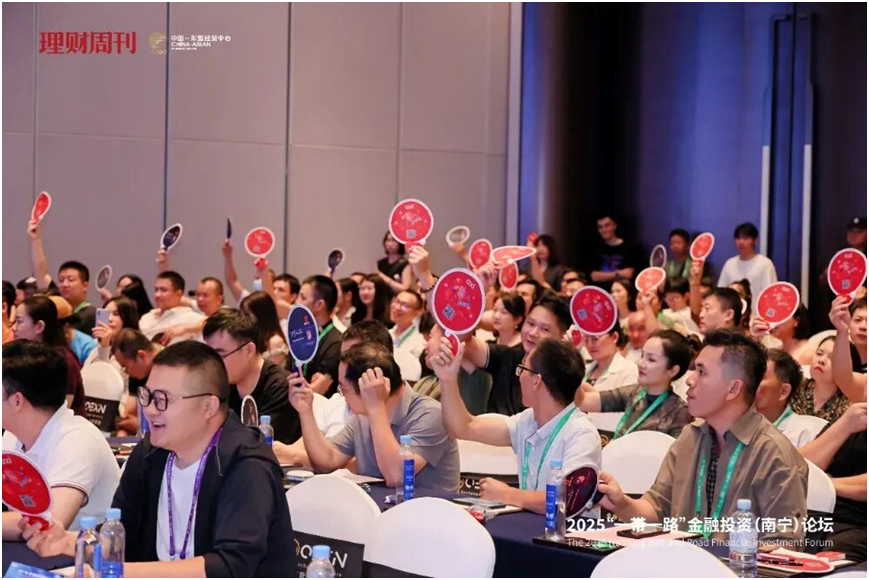
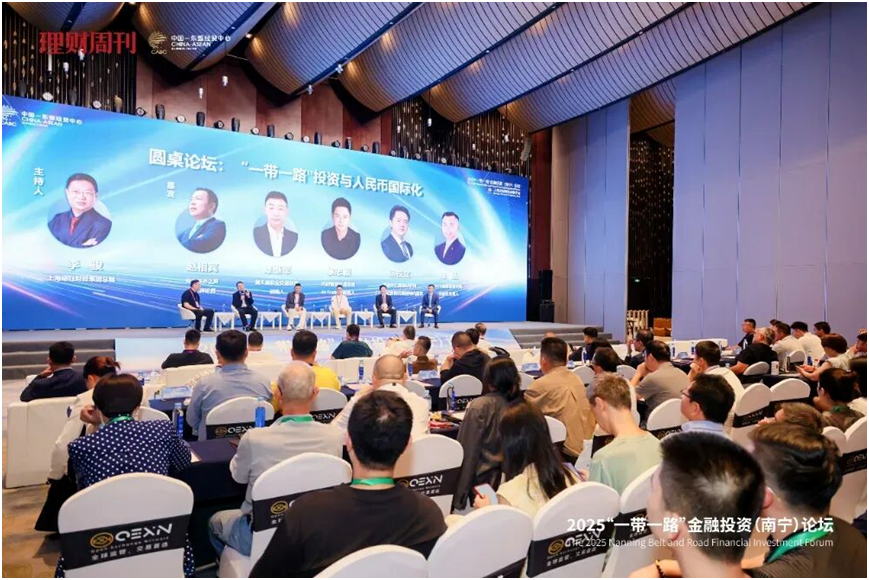
‘A Hundred Voices Debate Finance, Foresight Drives Integration’ — Closely addressing industry pain points and cutting-edge trends, the forum also featured three professional and practical roundtable discussions and summit debates. Through intense debates on financial focal points and the collision of ideas, these sessions pinpointed new trends in Wealth Management and Financial Investment, explored asset allocation strategies and innovative approaches, and delivered the most advanced perspectives and insights.
Among them, the roundtable discussion on "Belt and Road Investment and RMB Internationalization" was moderated by Li Jun, President of Shanghai Liyu Finance Group. Participants included Zhao Xiangbin, Foreign Exchange Commentator of China National Radio; Zhang Weijun, Founder of the All-Star Professional Traders Alliance; Li Zhiyi, Founder of the AI Trading system at Tianbao Smart Trading; Zong Xiaoli, Senior Foreign Exchange and Gold Analyst and Special Guest of CCTV Securities Information Channel; and Chen Fa, China Regional Head of KTA Australian Financial College. The discussion centered on the investment opportunities and challenges in the process of RMB internationalization, offering professional, insightful, and thought-provoking explorations and reflections.
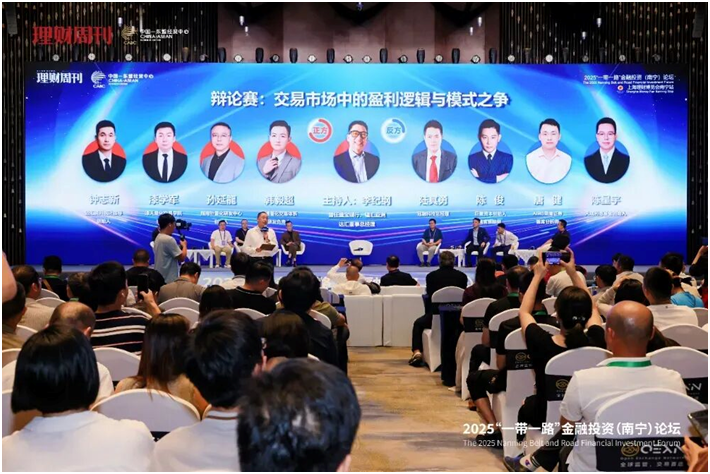
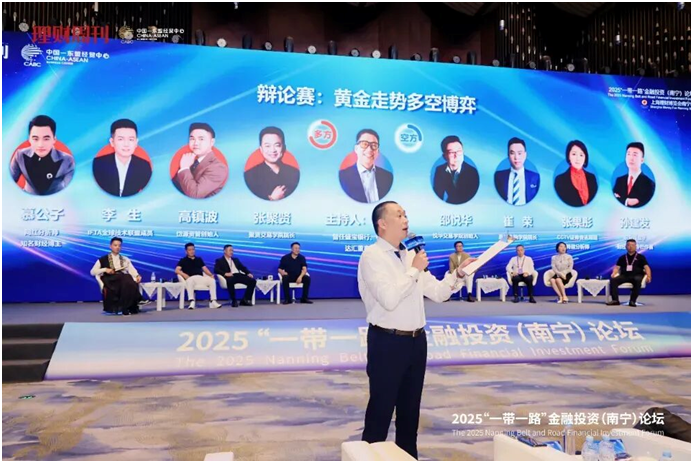
Li Jigang, former Managing Director of Saxo Bank, FXCM Asia, and ADS Securities, served as the debate moderator. He was joined by Qi Xuejun, Founder of Qi Tian Quantitative Trading Institute; Lu Qiyong, General Manager of Guanrong Technology; Zhong Zhixin, Founder of Maihui Data Statistical Indicators; Sun Yanlong, Founder of Compass Quantitative R&D Center; Chen Jun, Founder and Chief Strategist of Jullion Capital; Han Yichao, Head of the Golden Toad Quantitative Trading System R&D; Tang Jian, Chief Analyst of AIMS Rongying Securities; Chen Xingyu, Founder of Tiancheng Fund; Shao Yuehua, Founder of Yuehua Trading Academy; Cui Rong, Dean of Tiwei Financial Academy; Zhang Juxian, Dean of Juxian Trading Academy; Gao Zhenbo, Founder of Daiyuan Asset Management; Li Sheng, Member of the IFTA Global Technical Alliance; Sun Jianfa, Professional Trader and Columnist for Financial Media; Zhang Guotong, Invited Analyst of CCTV Securities Information Channel; and Mu Gongzi, Internet-Famous Analyst and Well-Known Financial Blogger. They engaged in two intense and spectacular summit debates on the themes of "The Debate on Profit Logic and Models in Trading Markets" and "The Bull-Bear Battle in Gold Trends." Through intellectual on the underlying logic of trading markets and the bull-bear dynamics of the gold market, they helped investors clarify uncertainties and uncover the foundational principles of profitability.