The "2019 FinTech Service (Shanghai) Summit Forum," guided by the Shanghai Modern Service Industry Federation and co-hosted by the FinTech Service Professional Committee of the Shanghai Modern Service Industry Federation and Money Weekly, was held in Shanghai on August 21.
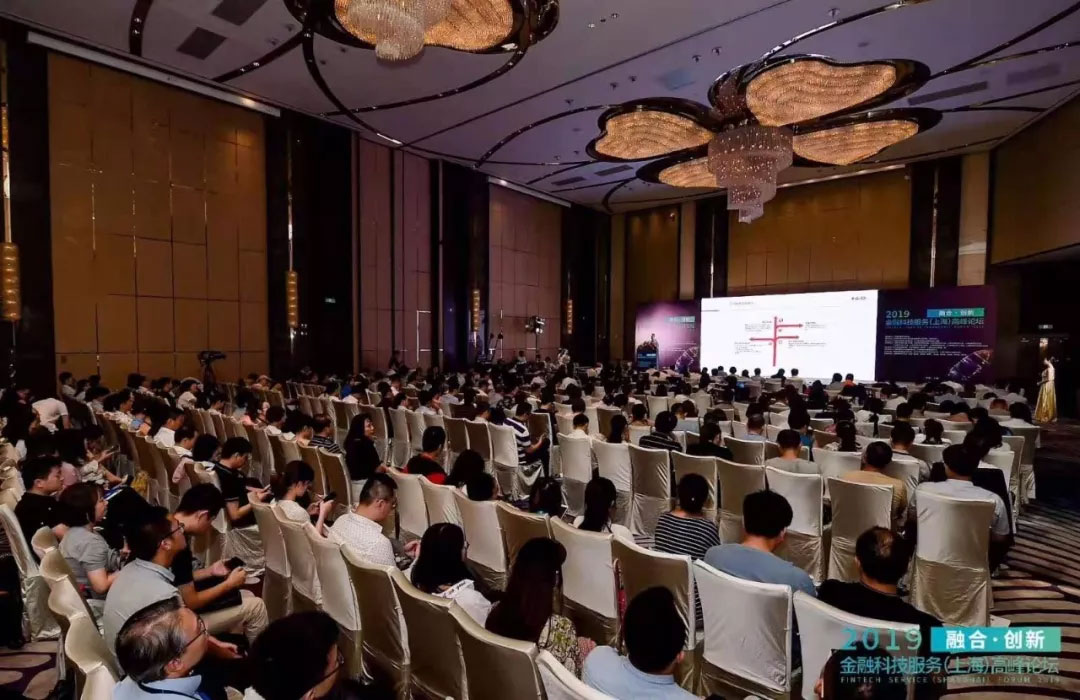
The forum aims to promote cross-sector cooperation and in-depth integration between finance and technology. Through such sessions as keynote speeches, roundtable dialogues and signing ceremonies, it showcases the innovative achievements of financial technology, helps traditional financial institutions accelerate the innovation, transformation and development of their own businesses, explores paths for the sound development of the industry, and builds a new window for Shanghai’s financial technology services and exchanges.
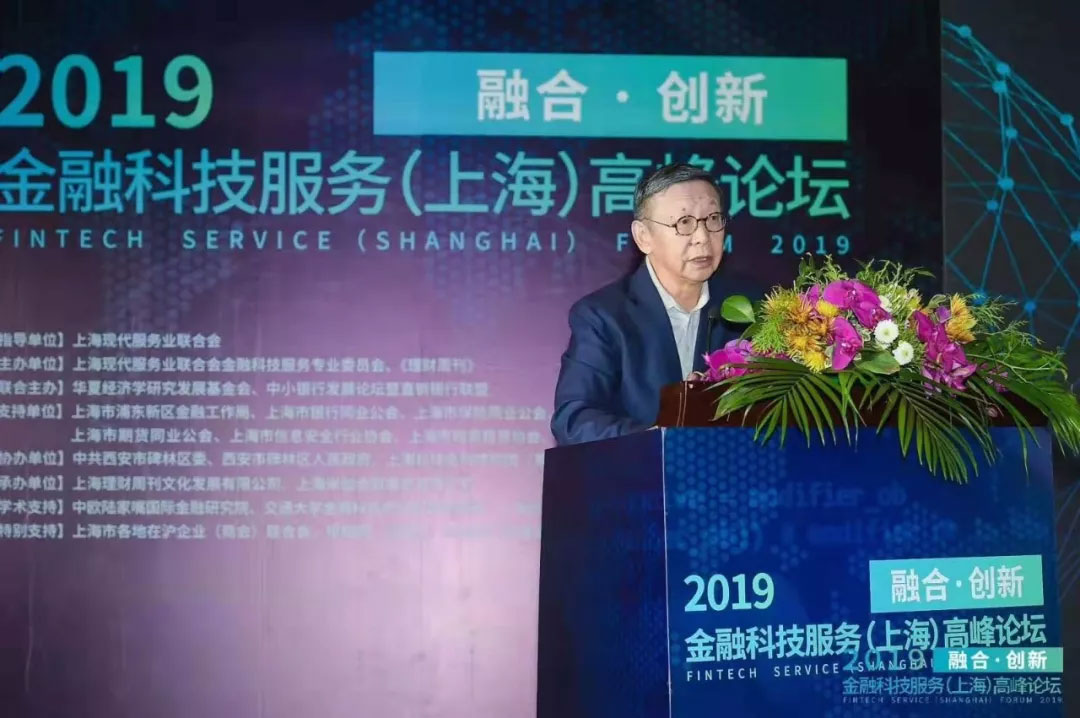
Zheng Huiqiang, Chairman of the Shanghai Modern Service Industry Federation and Former Deputy Director of the Standing Committee of the Shanghai Municipal People's Congress, and Cai Esheng, Chairman of the South-South Cooperation Financial Center and Former Vice Chairman of the China Banking Regulatory Commission, delivered speeches at the forum.
In his speech, Zheng Huiqiang stated that FinTech serves as a crucial link between the construction of the China (Shanghai) Pilot Free Trade Zone and the science and technology innovation center. To this end, Shanghai will focus on advancing work in four key areas: improving the structural system of FinTech services; promoting financial market innovation to provide investment and financing services for the development of tech enterprises; building a FinTech center; and optimizing the development environment for FinTech.
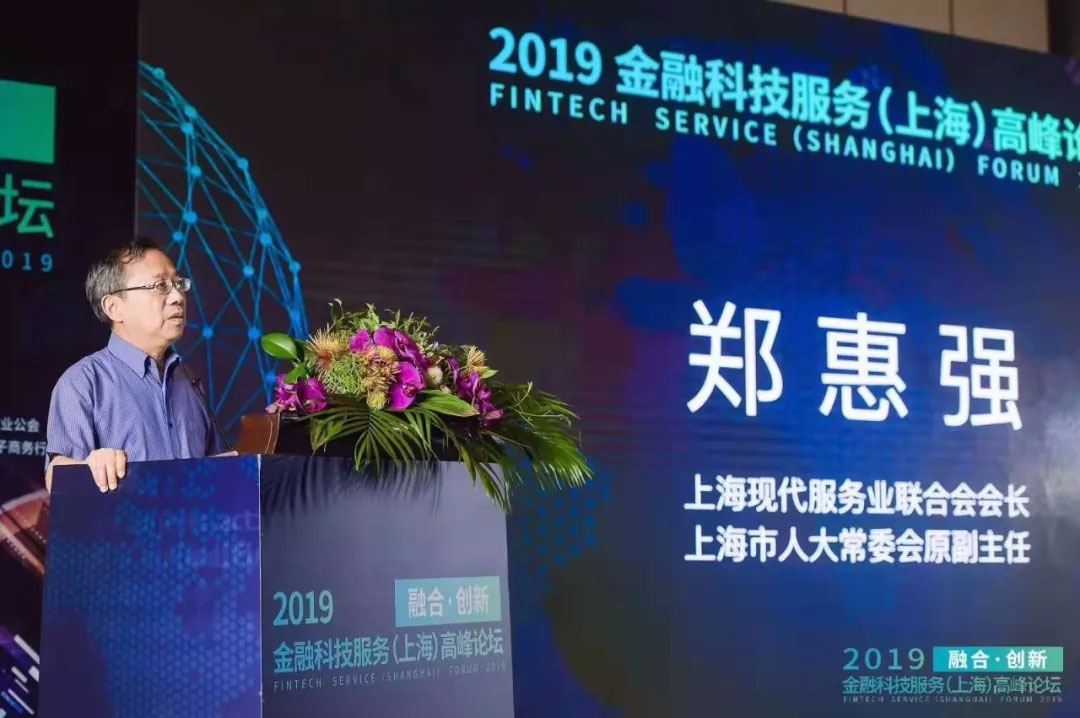
Cai Ehsheng argued that the primary goal of developing FinTech is to ensure that financial services are effectively implemented in the real economy. From the current perspective, the development of FinTech has gone through two phases: the first phase focuses mainly on technology, exploring how high-tech can be deployed in the financial sector; the second phase focuses on leveraging high-tech means to boost the development of the financial industry, thereby better serving the real economy.
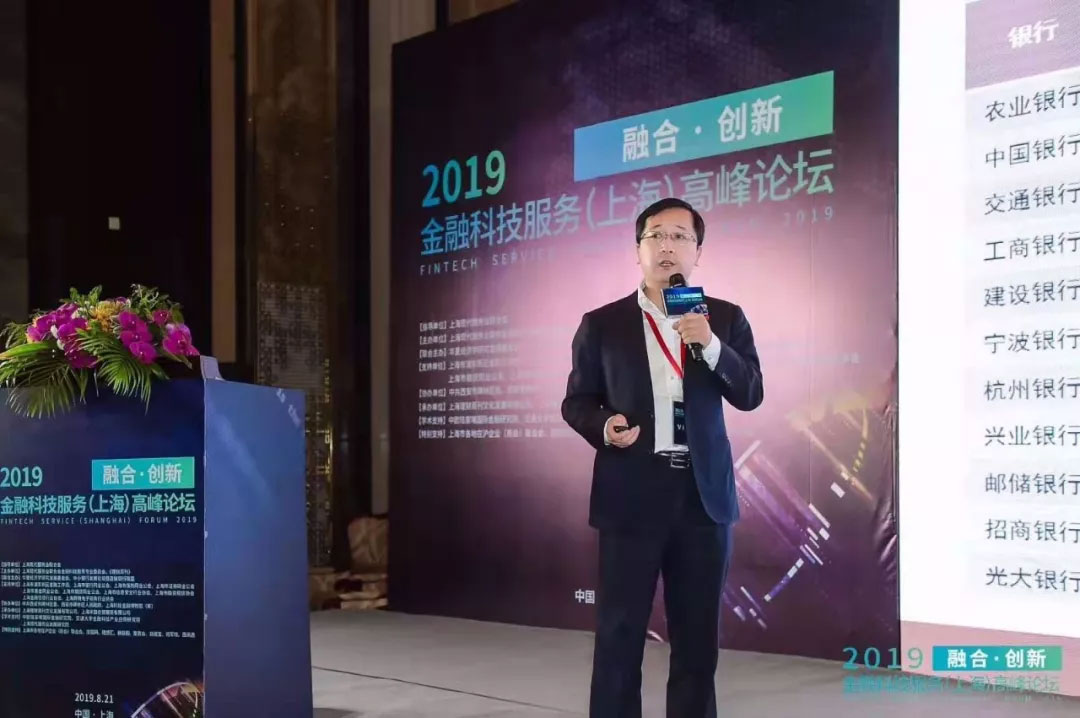
At the forum, numerous guests delivered keynote speeches.
Zhang Hong, Director of the Financial Work Bureau of Pudong New Area, Shanghai, introduced the specific development of the FinTech industry in Pudong New Area. As a core bearing area for the construction of Shanghai International Financial Center and FinTech, Pudong New Area in Shanghai has an unshirkable responsibility to develop FinTech.
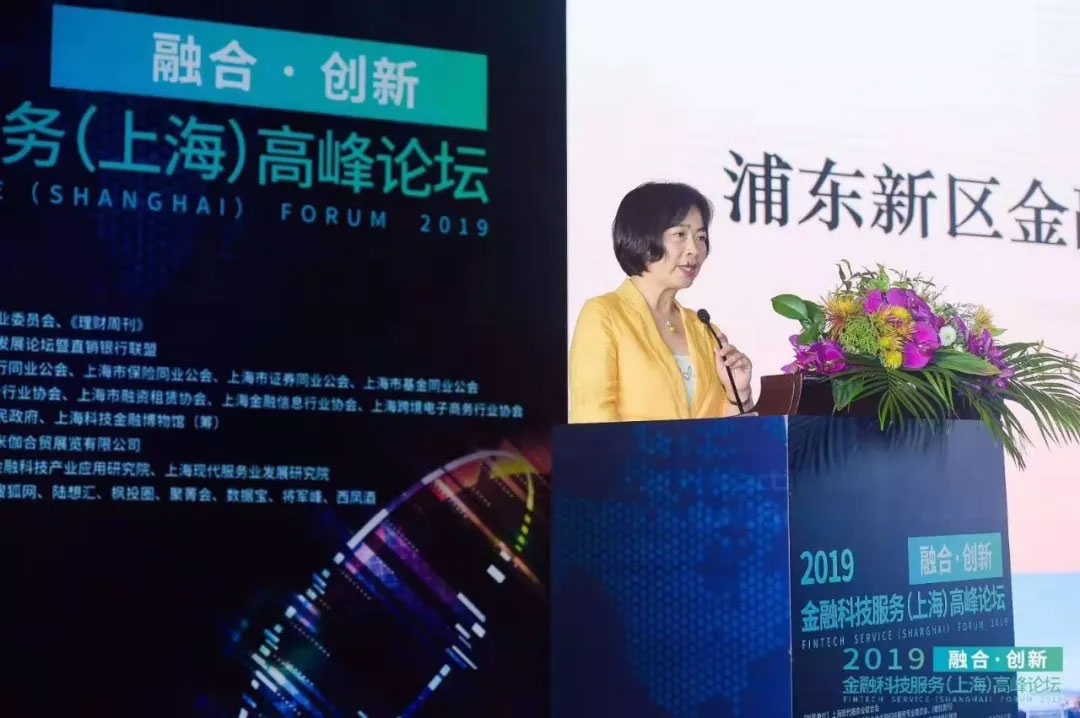
Mr. Zhang Hong stated that Pudong boasts three major advantages: Firstly, Pudong has a fully functional financial element market system, providing sound financial infrastructure support for the development of FinTech enterprises; Secondly, Pudong possesses a comprehensive financial institution system, offering abundant application scenarios for FinTech enterprises. With diverse types of FinTech enterprises, a large number of leading enterprises, and a complete financial industry chain, Pudong has become one of the most concentrated regions for financial institutions globally; Thirdly, Pudong has formed a continuously optimized financial business environment in terms of financial legal system, financial talents, and financial risk prevention, providing all-round support for the development of FinTech enterprises.
Yao Yudong, Former Director of the Research Institute of the People's Bank of China and Deputy General Manager & Chief Economist of China Universal Asset Management Co., Ltd., noted that China's economy is in a crucial period of transformation between old and new growth drivers. The launch of the Science and Technology Innovation Board (STAR Market) some time ago is a strategic step in this transformation. It can help financial institutions break through development bottlenecks, and while supporting the growth of the real economy, strengthen their own business capabilities.
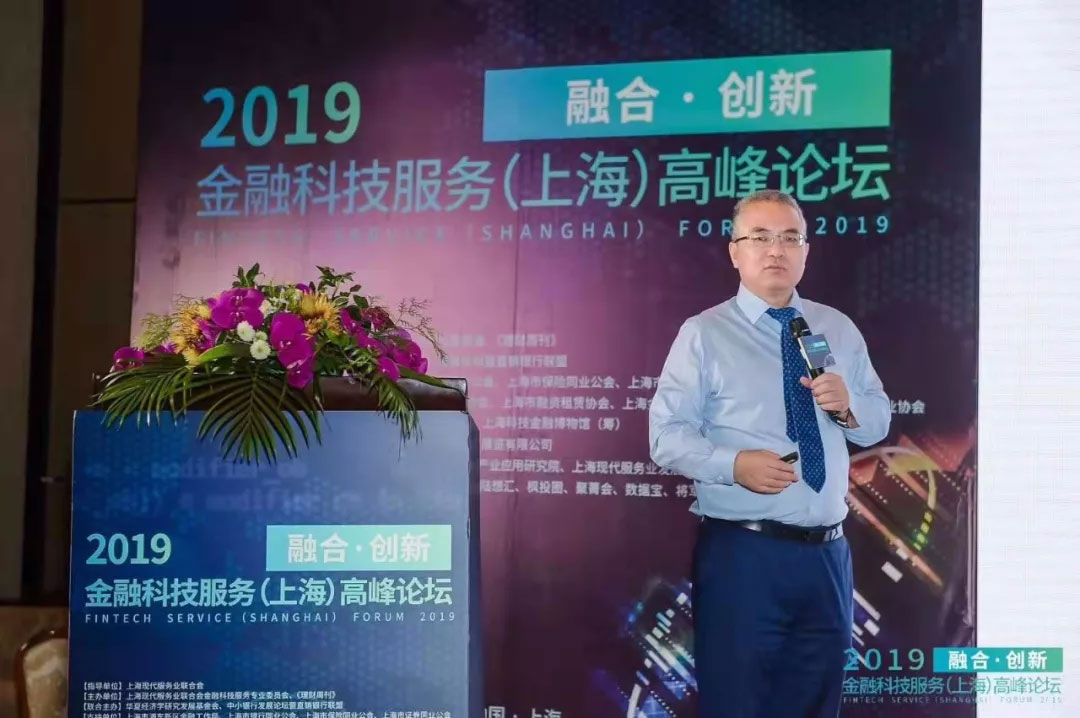
In his speech, Yang Tao, Director of the National Institution for Finance & Development (NIFD) and Assistant Director of the Institute of Finance, Chinese Academy of Social Sciences (CASS), stated that FinTech is embracing the challenges of a digital era. The impact of FinTech will increasingly penetrate into financial infrastructure, and the reforms based on financial infrastructure will exert a more profound influence on the financial transaction activities carried out on it. At this stage, it is crucial to seize the window of opportunity for FinTech innovation, adapt to the global trend where FinTech competition is increasingly breaking away from original spatial and geographical constraints, and focus on the general trend of digital competition. Meanwhile, it is necessary to promote safe innovation and regulated innovation as the lifeline.
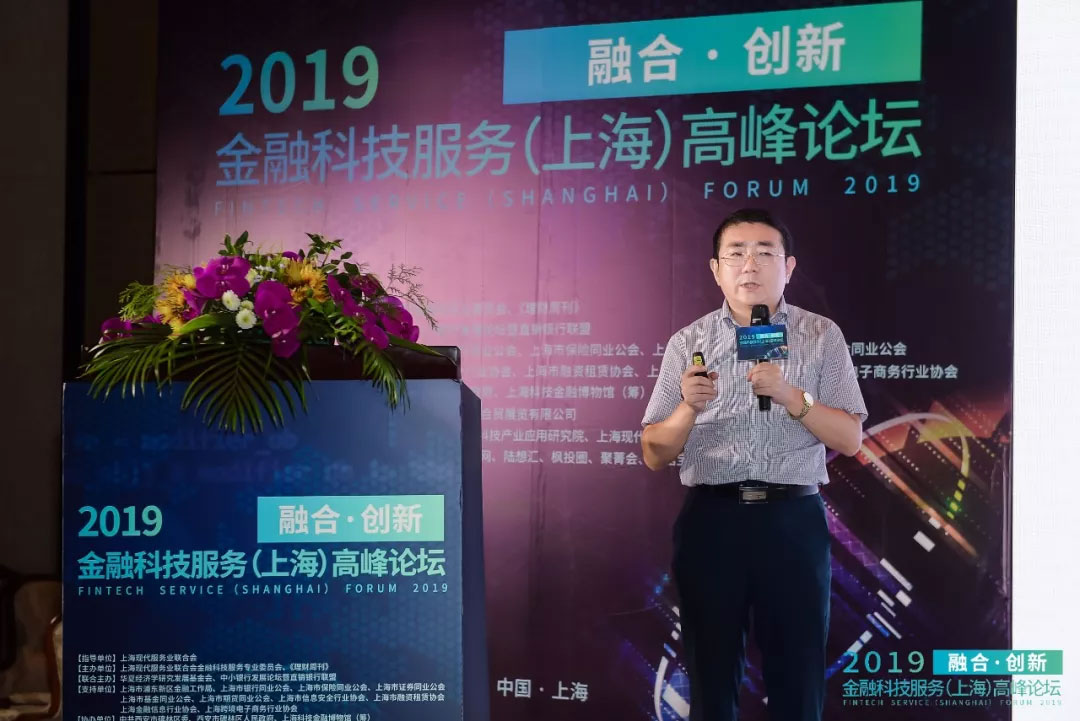
Liu Qizhi, Secretary of the CPC Beilin District Committee of Xi'an City, shared that in the key link of the transformation and upgrading of Beilin District, Xi'an City, Shaanxi Province, FinTech has played an important role in striving to build a new highland for the transformation of traditional commerce and a new highland for technological innovation.
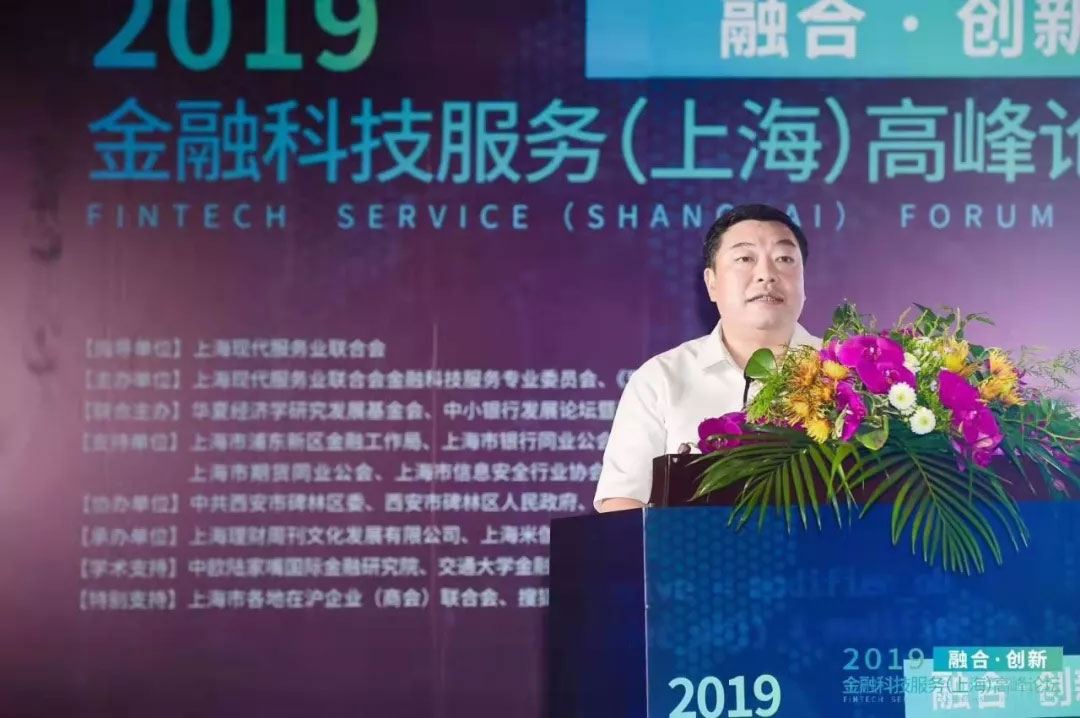
In his speech, Wang Wei, Chairman of China Finance Museum (Group), proposed that for FinTech to achieve success, it must have an ecosystem. To build a FinTech ecosystem, three key "games of strategy" are indispensable: between finance and technology, between concepts and applications, and between regulation and innovation.
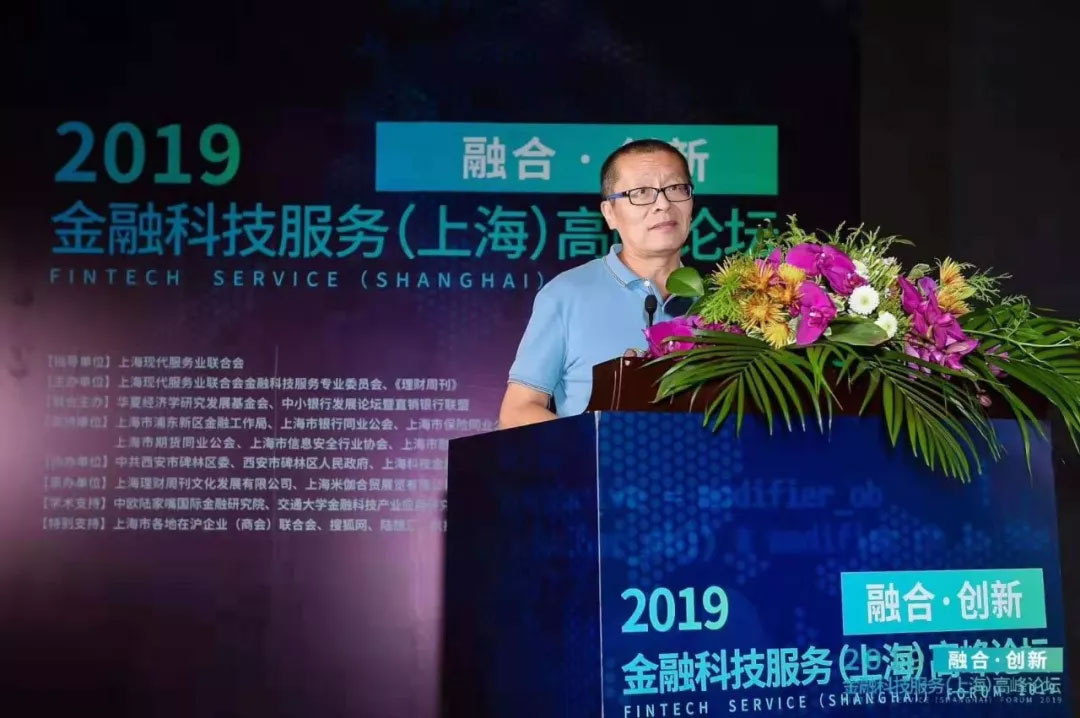
At the forum, participating guests delivered keynote speeches and shared insights on "viral" technologies in FinTech, including blockchain, artificial intelligence (AI), and big data.
Li Kan, person in charge of ZhongAn Technology and Deputy Secretary-General of the FinTech Industry Application Research Center at the Overseas Education College of Shanghai Jiao Tong University, briefly shared his understanding of blockchain. He argued that a blockchain network is a process of building performance and transferring value, representing a value upgrade based on the current internet infrastructure. "The essence of blockchain is to create the next generation of value internet. Through its technical characteristics, it first establishes basic trust, then achieves traceability and immutability of all data via decentralized nodes. With such technology, effective exchange of information and data can be realized, enabling low-cost value exchange and ultimately achieving the value internet."
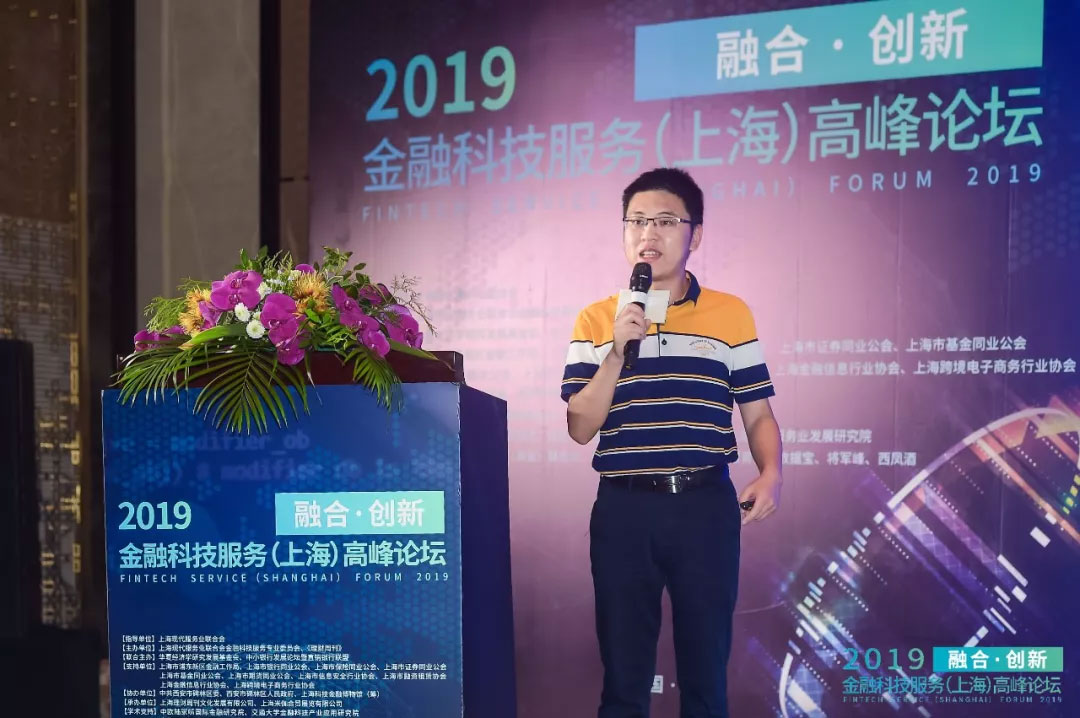
Yan Fei, Vice President of Megvii Technology Inc. (Beijing) and General Manager of AI Consulting & Industry Solutions, shared application cases of artificial intelligence (AI) in FinTech. He expressed the expectation that AI can continuously innovate business models and improve marketing practices. Beyond the financial sector, AI will also be applied to the digital transformation of three scenarios in the future: urban brain, supply chain brain, and personal device brain, empowering the practices and explorations of global partners.
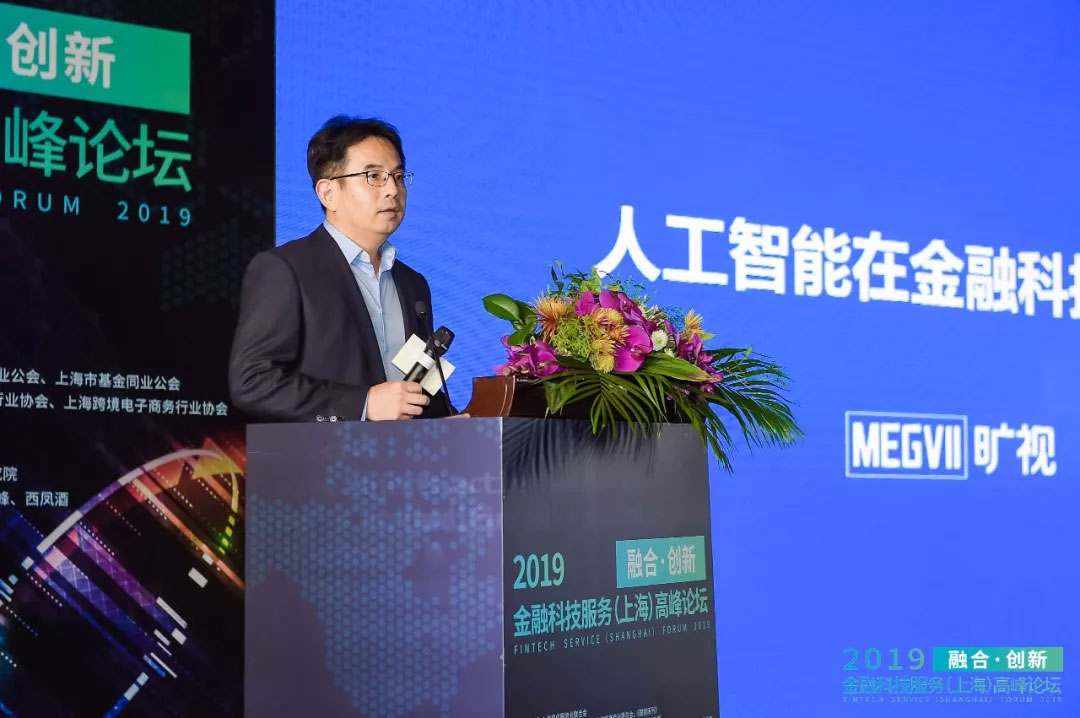
In his speech, Chen Yantang, Co-founder of IntSig Information Co., Ltd., proposed that in the future form of finance, intelligence, digitalization, and information integration will be crucial trends. Artificial intelligence (AI) does not seek to disrupt the financial industry; instead, it will focus more on empowering and innovating it. Among the key focuses for the future development of the financial industry, risk control, talent, and the development of the information industry are the most important ones.
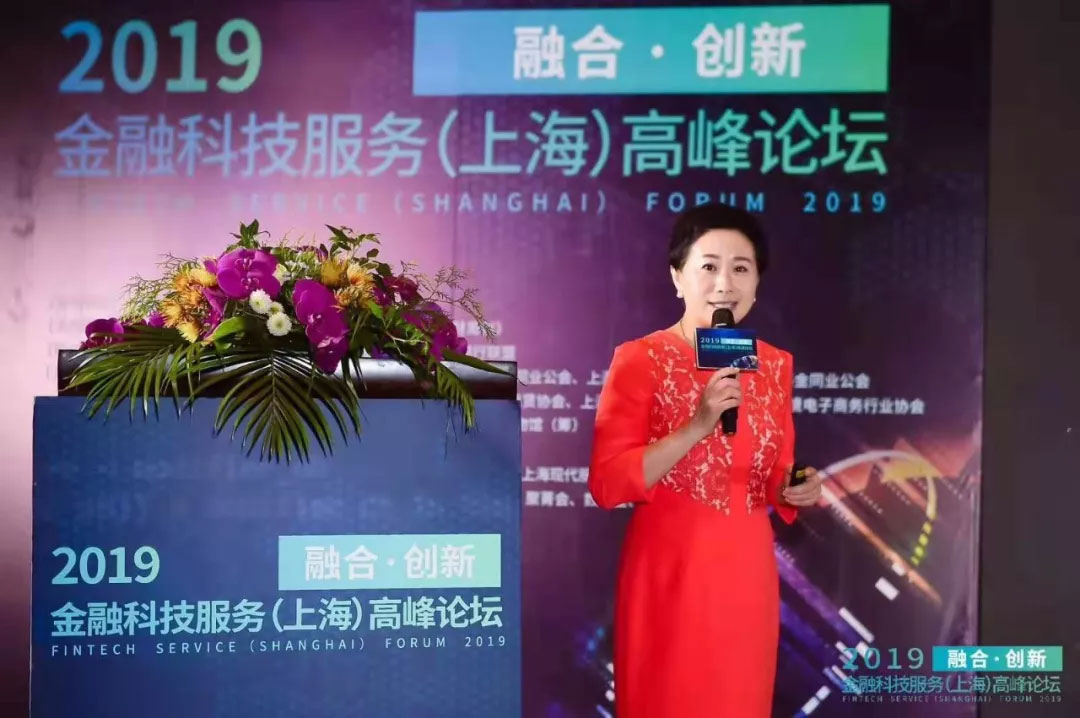
Tang Hanlin, CEO of Guizhou Shujubao Network Technology Co., Ltd., interpreted the application of big data in the financial sector. He argued that the entire FinTech field mainly focuses on two core areas: financial risk control and financial decision-making. Financial risk control is the most fundamental and crucial link in the entire financial industry. The solution to related problems lies in conducting risk control through state-owned data and then locking in specific scenarios to prevent illegal industrial chains from hiding.
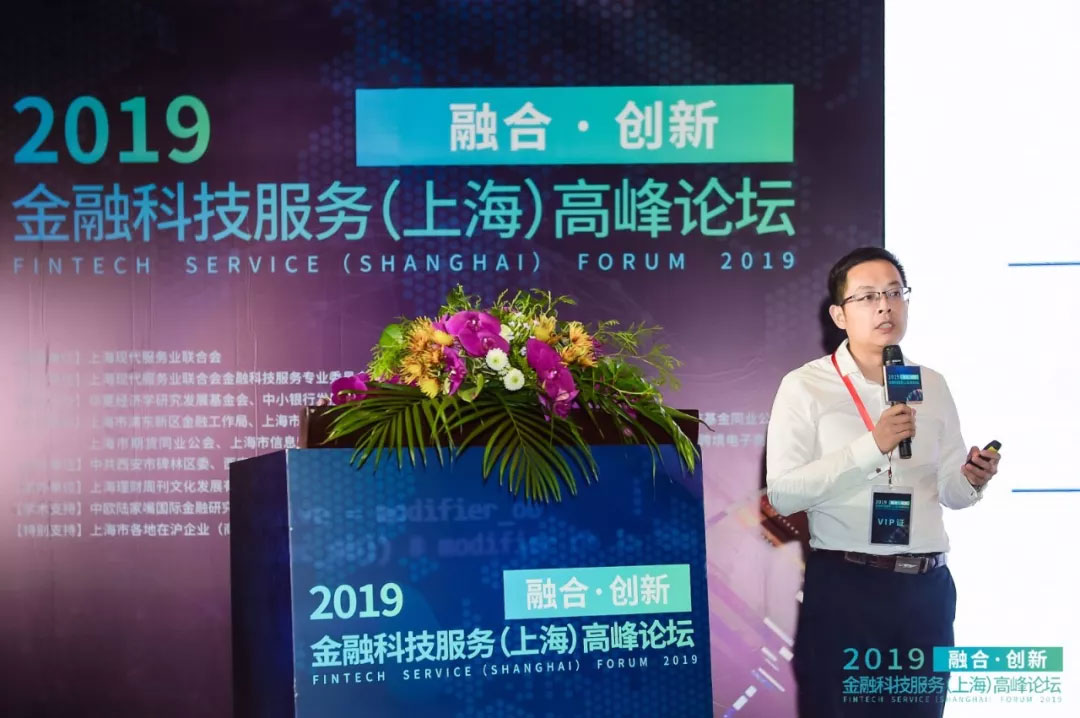
Wang Xiang, President of Jiyufund and Founder of "Jigoutong", shared his insights on the development of FinTech in the asset management industry. He stated that amid the slowing growth of many other industries, the asset management industry is likely to be the one with the highest growth certainty among all industries in China over the next decade. Through means such as AI and data-assisted manual work, institutional investors can be helped to improve efficiency, enhance risk control, and upgrade investment research capabilities in asset management. However, institutional investors also have extremely high requirements for infrastructure.
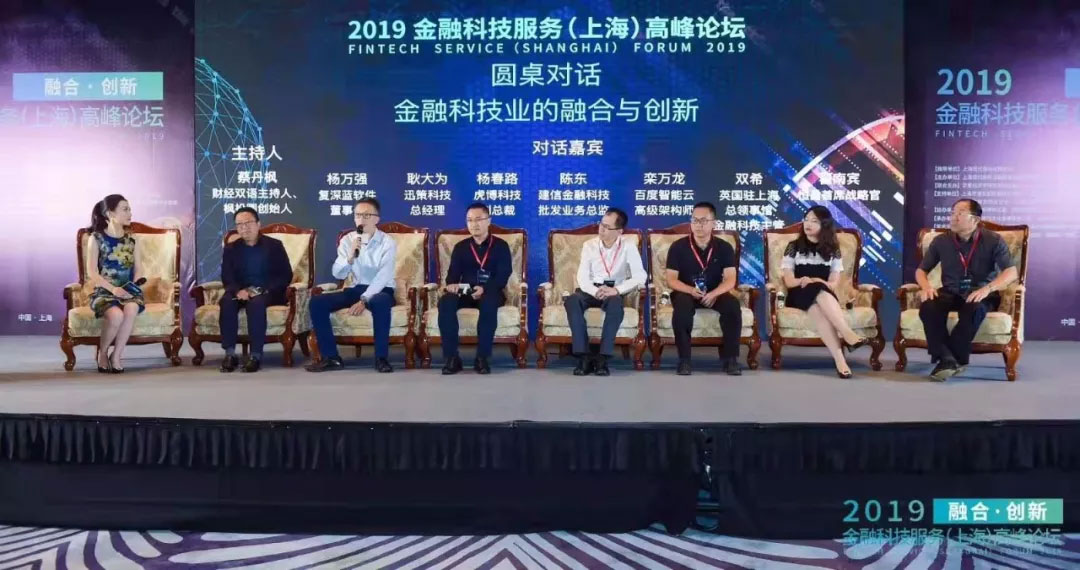
In the roundtable dialogue session hosted by Cai Danfeng, a bilingual financial host and Founder of Fengtou Circle, Yang Wanqiang (Chairman of Fshenlan Software Co., Ltd.), Geng Dawei (General Manager of Xunce Technology), Yang Chunlu (Vice President of Hubo Technology), Chen Dong (Wholesale Business Director of Jianxin Financial Technology), Luan Wanlong (Senior Architect of Baidu Intelligent Cloud), Shuang Xi (FinTech Director of the British Consulate General in Shanghai), and Zhai Nanbin (Chief Strategy Officer of Hengchang) conducted in-depth discussions on the theme of "Integration and Innovation of FinTech". They expressed their respective insights around financial inclusion, win-win cooperation, and technology transforming lives, sharing the opportunities and challenges emerging in the practice of financial innovation across various industries.
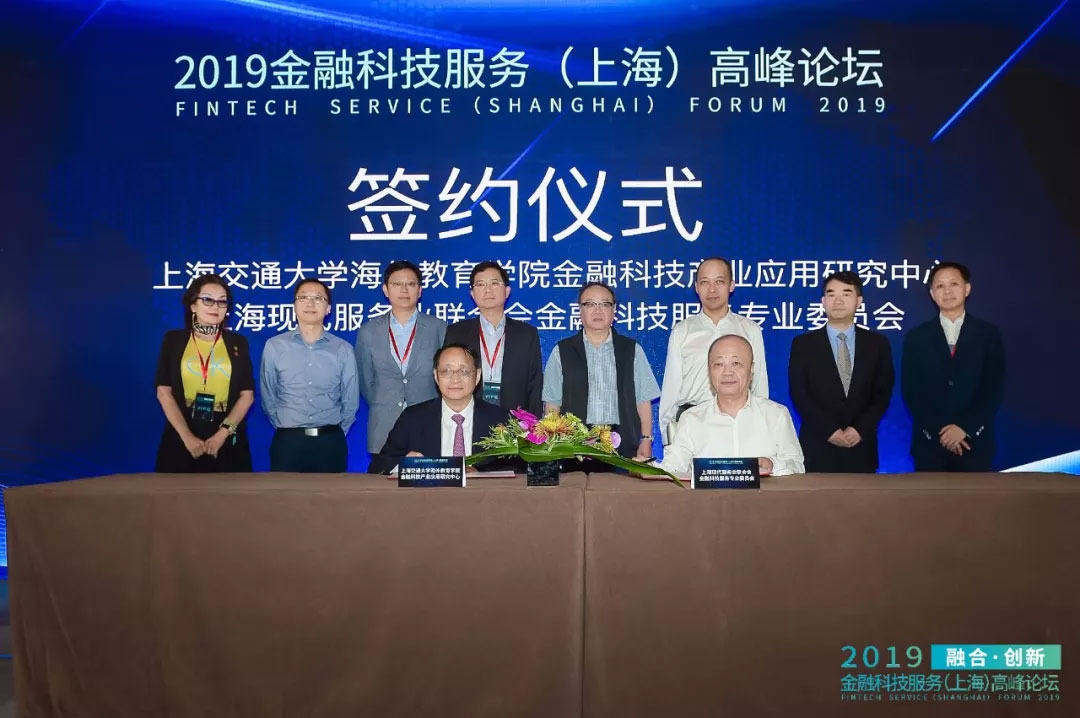
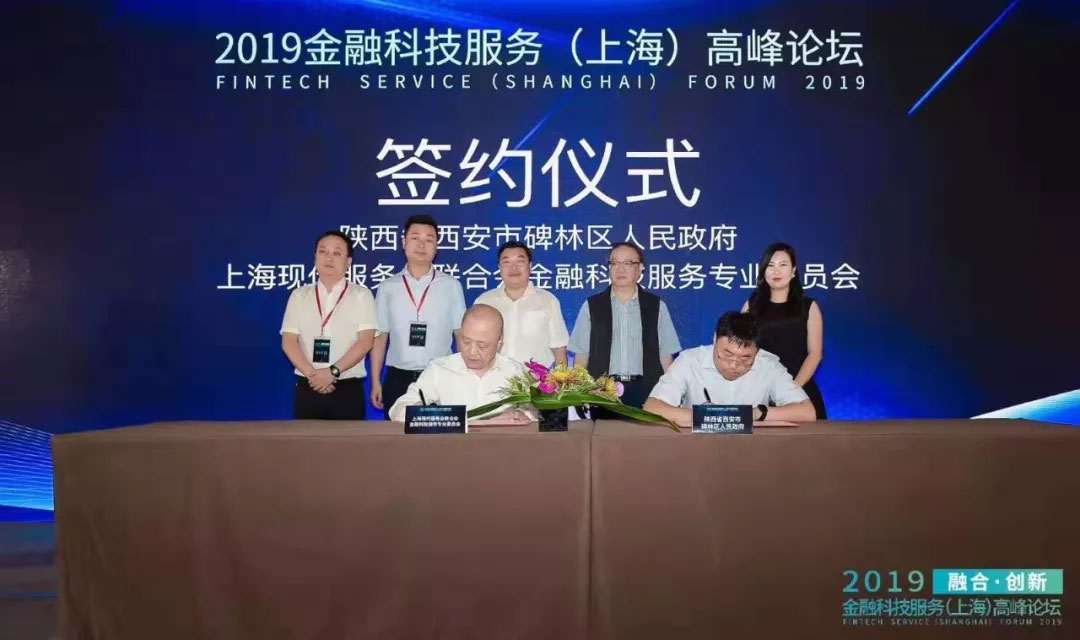
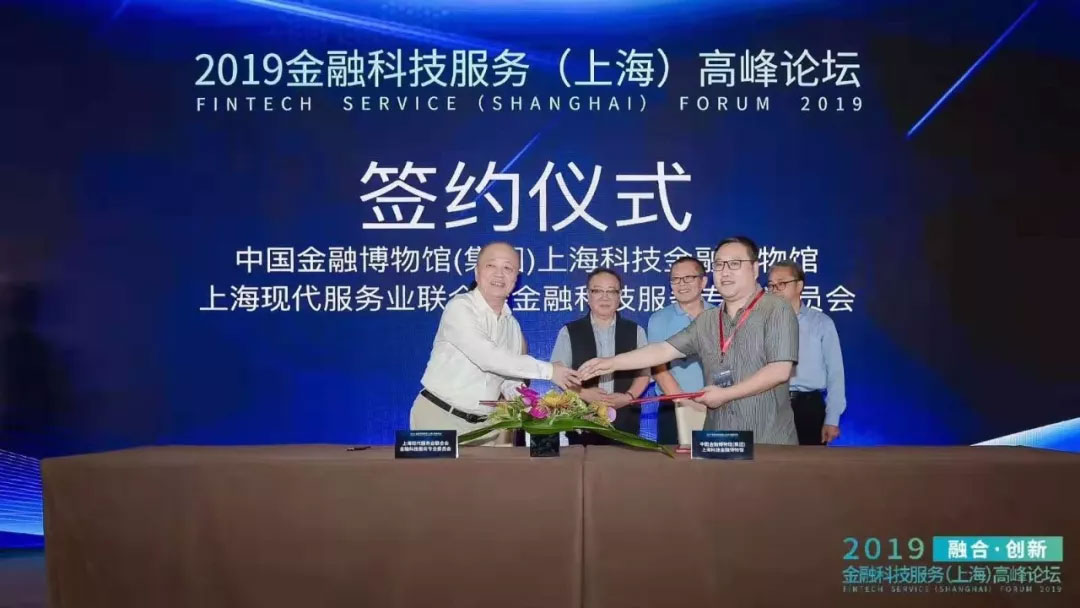
At the forum, the FinTech Service Professional Committee of the Shanghai Modern Service Industry Federation also signed strategic cooperation agreements with three parties respectively: the FinTech Industry Application Research Center of the Overseas Education College of Shanghai Jiao Tong University, the People's Government of Beilin District, Xi'an City, Shaanxi Province, and the Shanghai Science and Technology Finance Museum of China Finance Museum (Group). The cooperation aims to jointly promote the cross-sector integration of finance and technology.
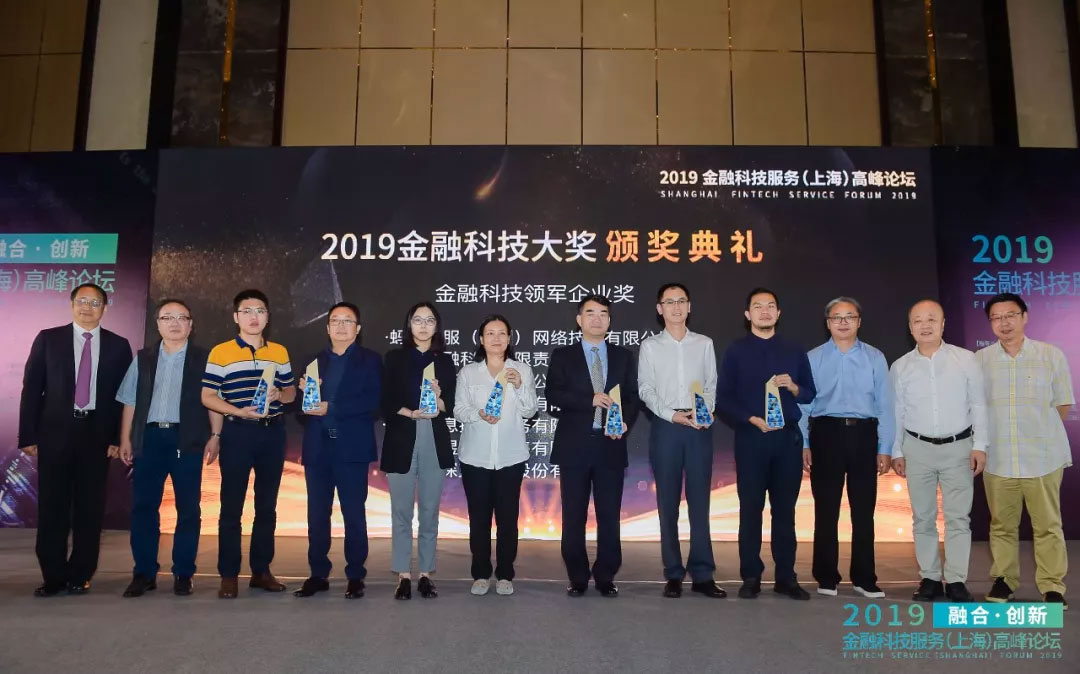
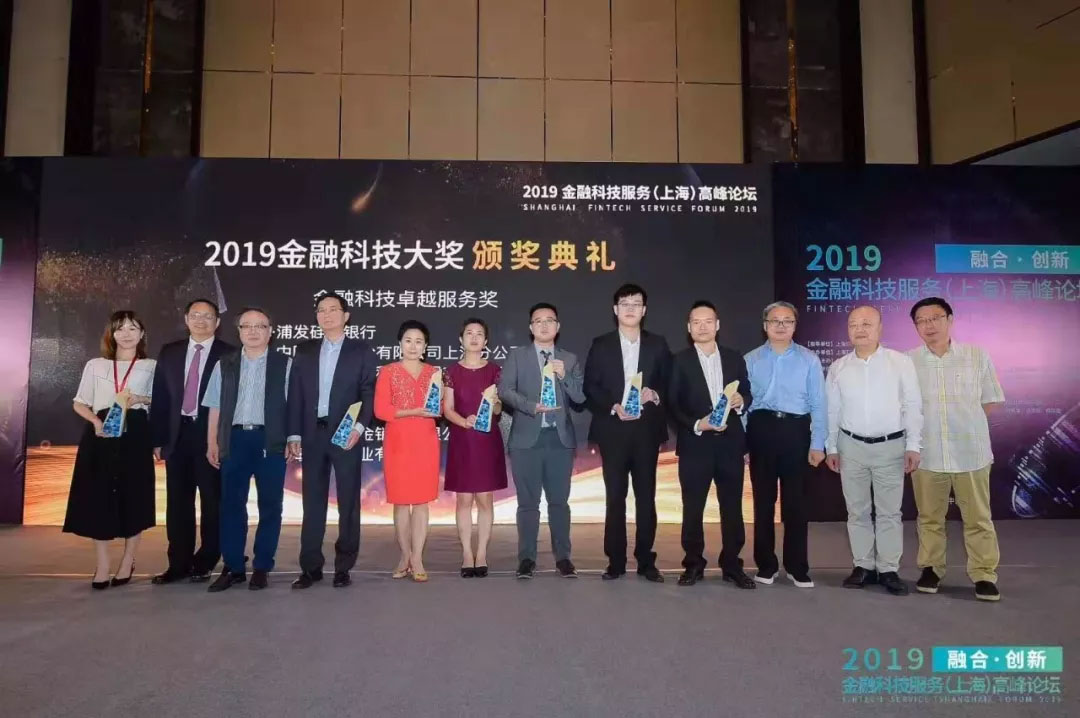
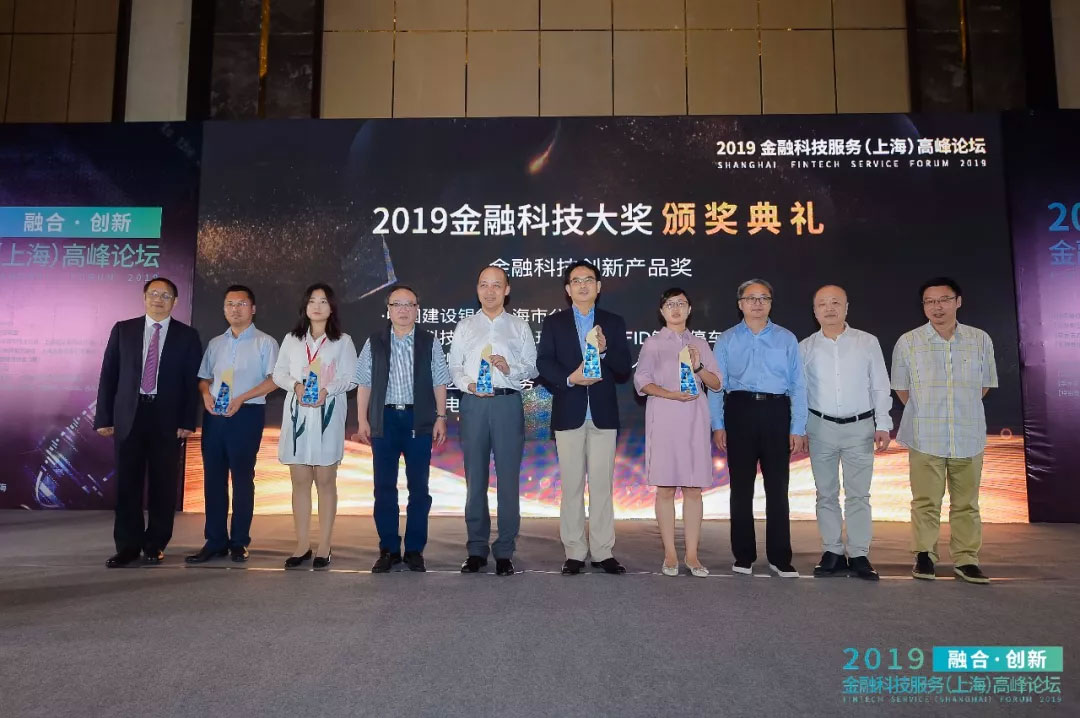
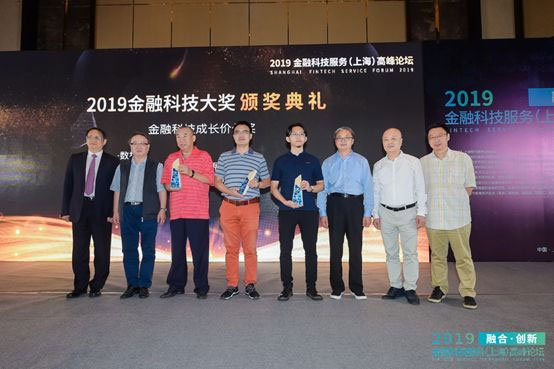
Han Jingjing, Director of Strategic Cooperation and Development at the Tsinghua University Institute for FinTech Research and Tsinghua PBC School of Finance, served as the host of the forum. Co-hosted by the China Economics Research and Development Foundation and the Community of Small and Medium-sized Banks & Direct Bank Alliance, the forum received support from the following supporting units: Financial Work Bureau of Pudong New Area, Shanghai; Shanghai Banking Association; Shanghai Insurance Association; Shanghai Securities Association; Shanghai Fund Association; Shanghai Futures Association; Shanghai Information Security Industry Association; Shanghai Financial Leasing Association; Shanghai Financial Information Industry Association; and Shanghai Cross-border E-commerce Industry Association. It was co-organized by the CPC Beilin District Committee of Xi'an City, the People's Government of Beilin District, Xi'an City, and the Shanghai Science and Technology Finance Museum (Preparatory). The event was undertaken by Shanghai Money Weekly Culture Development Co., Ltd. and Shanghai Migah Exhibition Co., Ltd. Academic support was provided by the China Europe International Business School (CEIBS) Lujiazui International Finance Research Institute, the FinTech Industry Application Research Center of Shanghai Jiao Tong University, the Shanghai Modern Service Industry Development Research Institute, and the Tsinghua PBC School of Finance Alumni Shanghai FinTech Club. Additionally, special support was extended by the Shanghai Federation of Enterprises (Chambers of Commerce) from All Regions, Sohu.com, Luxianghui, Fengtou Circle, Jujinghui, Shujubao, Jiangjunfeng, and Xifeng Wine.