On December 16, 2023, as a supporting event of the 17th Shenzhen International Finance Fair, the "2023 Wealth Management Forum" was grandly held at Shenzhen Convention and Exhibition Center (Futian).He Jie, Director of the Shenzhen Municipal Financial Regulatory Bureau, attended and delivered a speech.Xiao Dan, Director of the Hong Kong Trade Development Council (HKTDC) Shenzhen Office, Wang Zhongmin, Consultant and Honorary Chairman of the Academic Committee of the China Wealth Management 50 Forum, and Former Vice Chairman of the National Council for Social Security Fund, attended and delivered speeches.
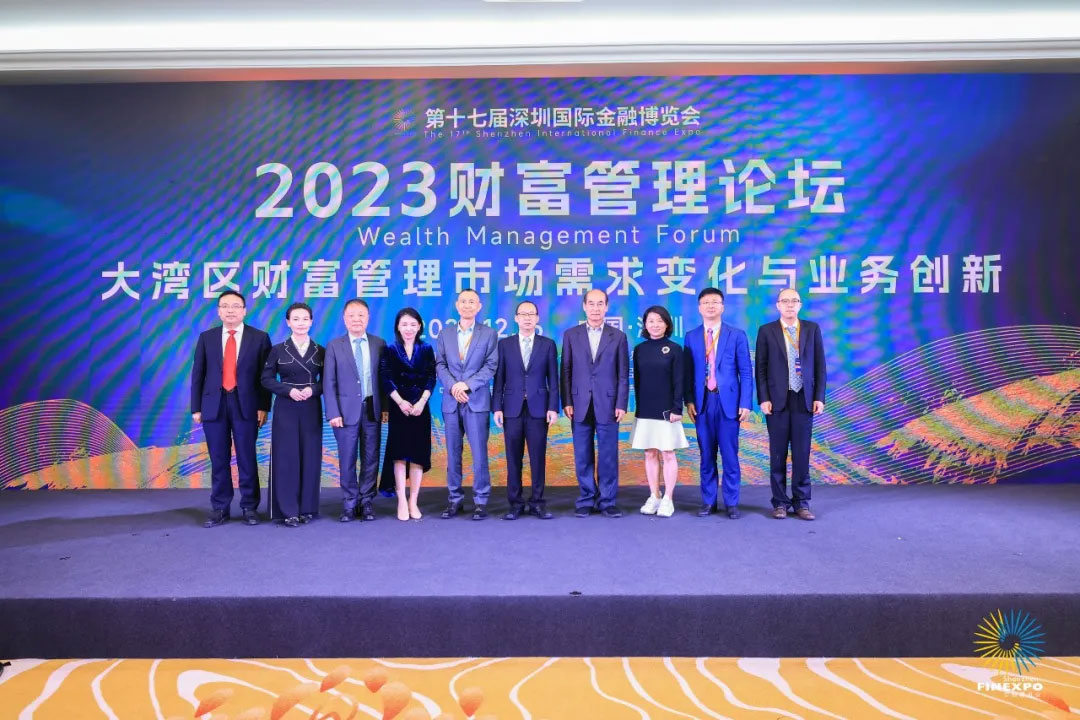
Summarizing the successful experience of the Wealth Management Connect scheme over the past two years, and taking into account the expansion and improvement of interconnection mechanisms such as Stock Connect, Bond Connect, and Fund Recognition, the 2023 Wealth Management Forum was themed “Changes in Market Demand and Business Innovation in the Greater Bay Area Wealth Management Sector”.Government leaders, representatives of financial institutions, and financial experts gathered to thoroughly discuss how to broaden and innovate the areas, models, products, and services of cross-border wealth management in the Greater Bay Area.The forum was hosted by:The Organizing Committee Office of the 17th Shenzhen International Finance Fair, Hong Kong Trade Development Council, Shenzhen Finance Institute. It was organized by the Shenzhen International Chamber of Commerce, MoneyWeekly, Shenzhen Huajuchen International Exhibition Group Co., Ltd.And co-organized by:ZhongguancunHuaxia Economics Research Development Foundation, Hong Kong Institute of International Finance.
Keynote Speakers Delivered Insightful Addresses
At the forum, distinguished guests and experts from various sectors focused on the changes in demand and business innovation in the wealth management market, conducted in-depth analysis, and put forward constructive suggestions for the future development of the industry.
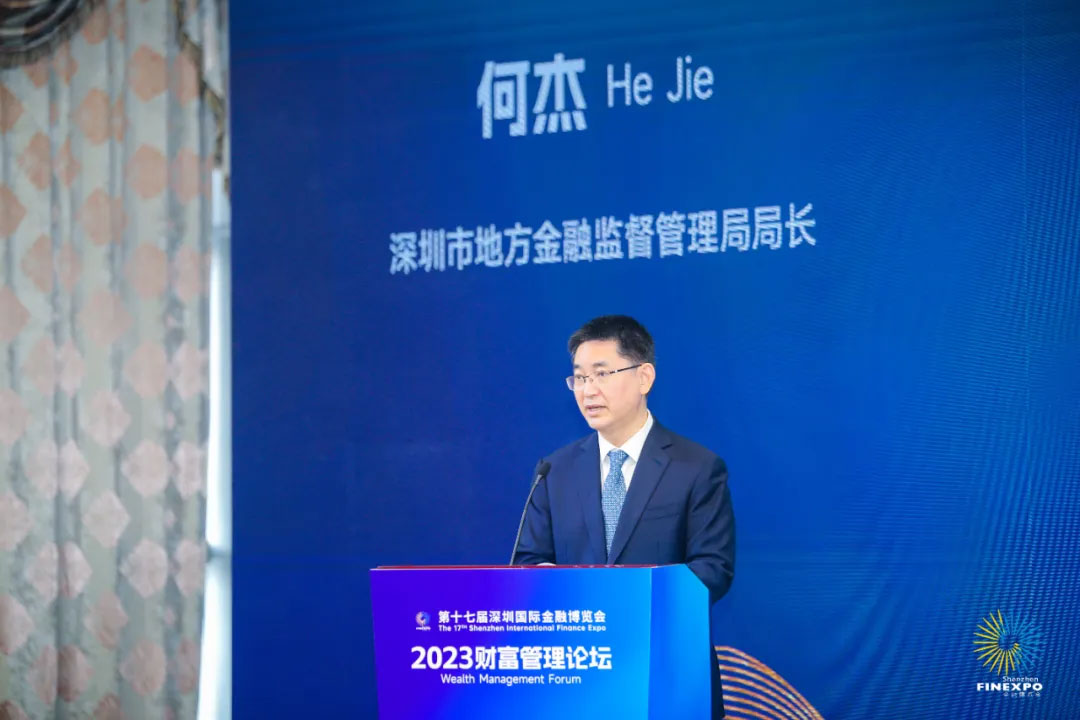
On behalf of the organizers, He Jie extended a sincere welcome to all leaders, experts, and scholars attending the forum, and expressed warm congratulations on the successful convening of the event.
He noted that Shenzhen stands as a banner of China’s reform and opening-up. Over the 43 years since the establishment of the special economic zone, Shenzhen’s GDP has grown at an average annual rate of 20.3%. As one of the pillar industries in Shenzhen, the financial sector ranks among the top in China, laying a solid foundation for the development of wealth management. Shenzhen is also home to a large number of entrepreneurs, innovators and high-net-worth individuals.
He pointed out that a key task for Shenzhen is to fully leverage its strengths, accelerate the development of the wealth management center ecosystem, pursue pilot reforms and institutional innovations, strengthen connectivity and cooperation with Hong Kong and Macao, attract domestic and foreign wealth management institutions, and play a unique role in the wealth management landscape of the Greater Bay Area.
The Shenzhen Municipal Financial Regulatory Bureau will focus on building an international wealth management center, deepen cooperation between Shenzhen and Hong Kong in wealth management, and further refine the Wealth Management Connect pilot scheme.
Going forward, Shenzhen will advance the development of an international wealth management center in the following aspects:Build a sound wealth management industrial system and foster world-class investment banks and investment institutions.Strengthen Shenzhen-Hong Kong cooperation in wealth management; under the overall coordination of central financial regulators, further optimize the Wealth Management Connect pilot, encourage the participation of more entities such as securities companies, and expand the range of investable products.Support innovation and accelerate the digital transformation of the wealth management industry.Establish a cross-sectoral wealth management association to promote compliance development, formulate industry standards, host wealth management forums, and facilitate exchanges among institutions.Accelerate the development of a financial talent training system, explore the establishment of a high-quality development evaluation system for wealth management institutions, and promote the growth of professional service institutions such as credit rating and credit information services.
In conclusion, He Jie stressed the need to deepen Shenzhen-Hong Kong cooperation, further improve cross-border wealth management services, include securities companies in the pilot program, and jointly establish a Shenzhen-Hong Kong cooperation committee with the Hong Kong Special Administrative Region Government to boost financial market connectivity.
He also urged faster digital transformation, deeper application of technologies including artificial intelligence, and accelerated development of relevant standard systems.
In his speech, Xiao Dan stated that wealth management in Shenzhen has developed rapidly, laying a solid foundation for building an international wealth management center.
In the 2023 Policy Address, the Chief Executive of the Hong Kong Special Administrative Region proposed to expand financial market connectivity with the mainland, and to establish a Shenzhen-Hong Kong Financial Cooperation Committee with Shenzhen authorities in the first half of 2024, so as to provide recommendations for advancing financial market connectivity between the two places.
He believed that Shenzhen, Hong Kong and the Greater Bay Area as a whole should focus on coordinated regional development to achieve integrated and collaborative growth.
He added: “We look forward to the wonderful sharing from leaders and distinguished guests at today’s Wealth Management Forum, which will bring us financial insights from various sectors.We will leverage Hong Kong’s status as an international financial center, accelerate the development of Shenzhen’s wealth management center ecosystem, elevate the two-way opening-up of China’s financial market, and promote high-quality economic development in the Greater Bay Area.”
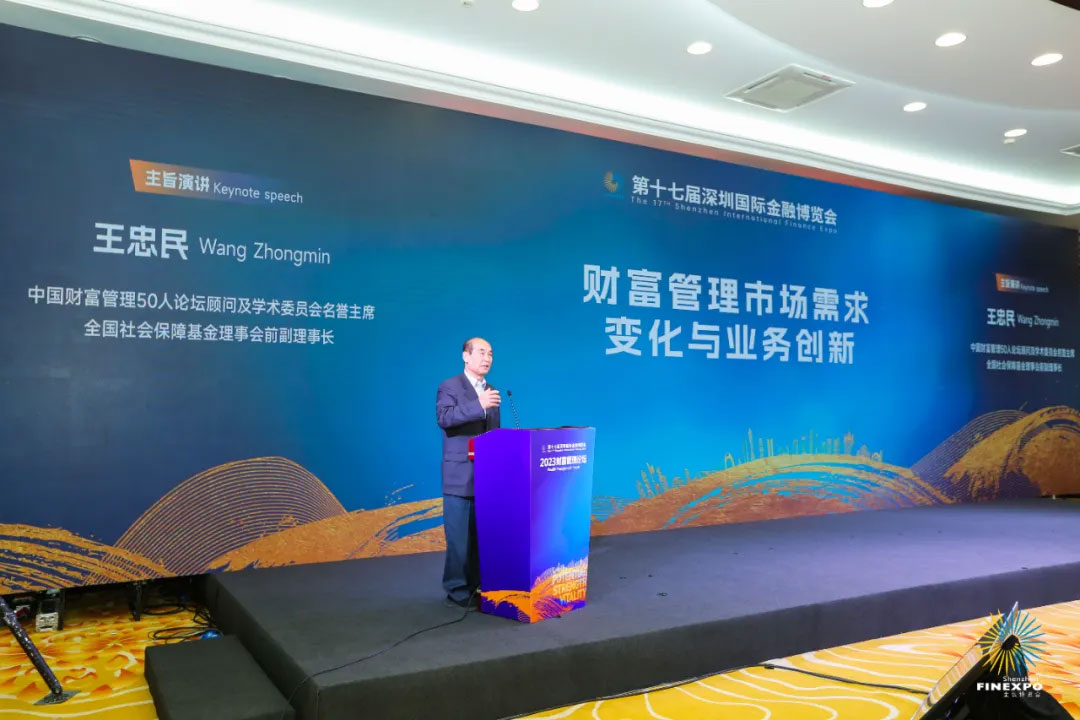
Wang Zhongmin focused on the value and role of the risk-free rate of returnin asset allocation and wealth management.He pointed out that the risk-free rate serves as the benchmark for global asset allocation. The digital iteration and growth of industries in the Greater Bay Area cannot be separated from the capital structure of private equity, nor can they develop without comprehensive services and innovation from the financial market. This constitutes the foundation of future wealth. The room for wealth growth and the share that each individual can obtain all depend on this foundation.
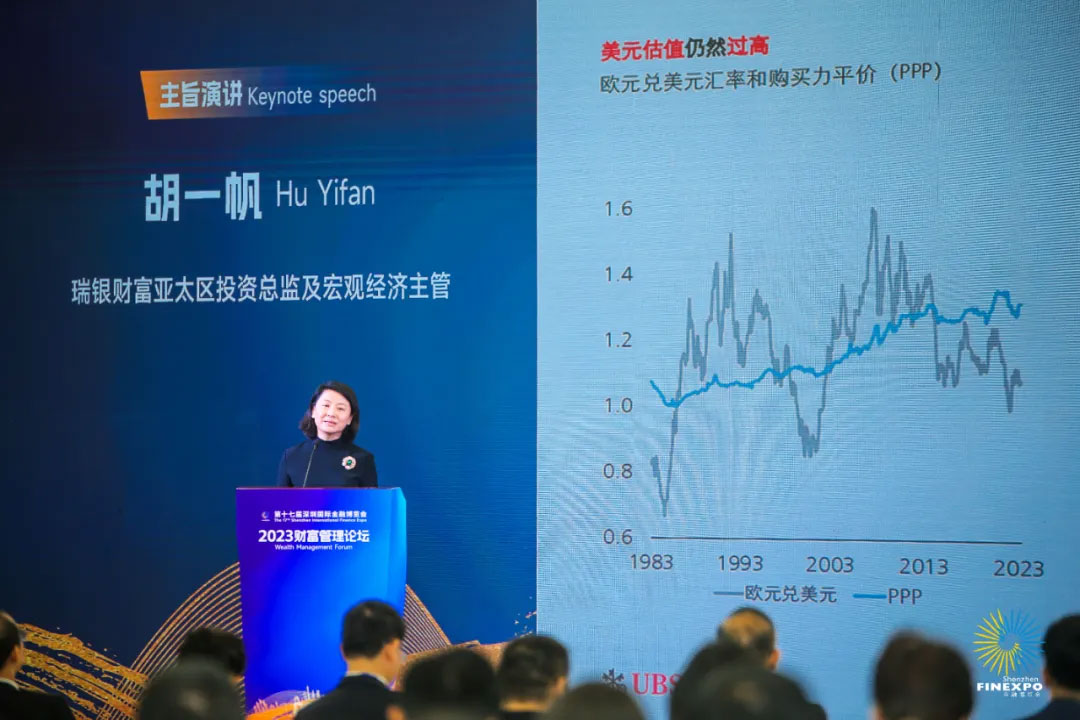
Hu Yifan, Chief Investment Officer and Head of Macroeconomics for Asia Pacific at UBS Wealth Management, delivered a keynote address themed Global Market Outlook and Asset Allocation. She emphasized that amid a new era characterized by profound technological disruptions and pervasive uncertainties, the optimal investment approach has emerged as a topic of paramount concern.Against the backdrop of heightened volatility in the global economic landscape, robust expectations surrounding Federal Reserve interest rate cuts are poised to exert a material impact on asset allocation frameworks. She projected that in 2024, investors should prioritize high-quality bonds—especially those with investment-grade ratings of AAA and AA or above—as they are anticipated to deliver exceptional performance. Furthermore, hedge funds are also expected to generate strong returns throughout 2024.
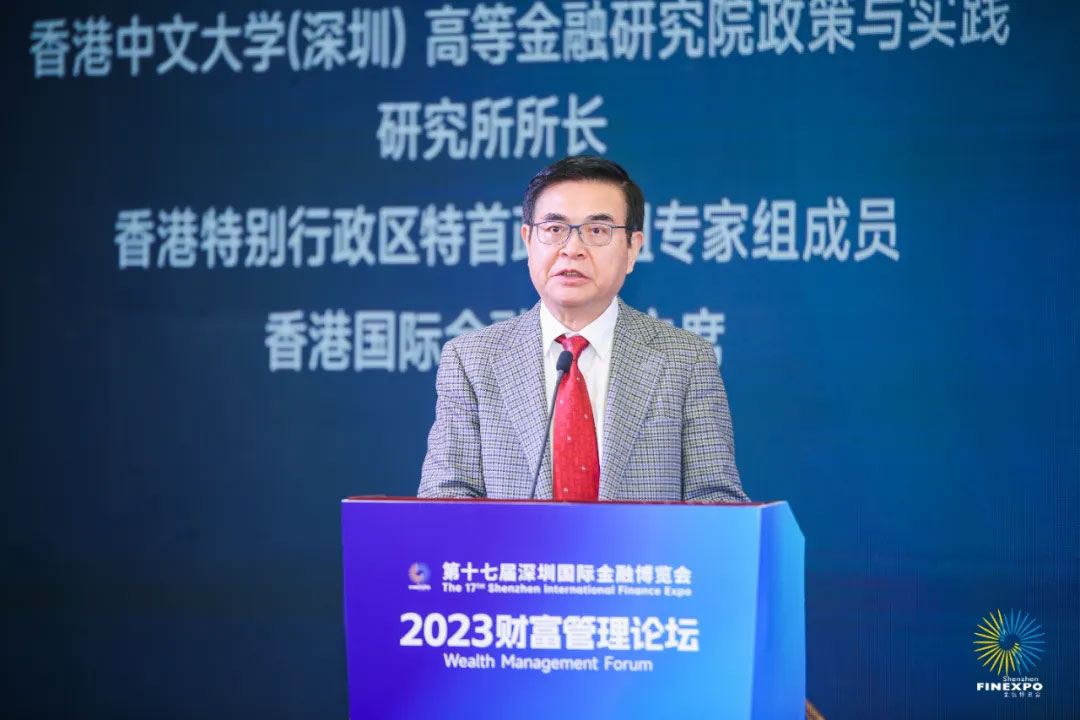
stated during the session that the Guangdong-Hong Kong-Macao Greater Bay Area boasts enormous potential in wealth management, and he is highly optimistic about its future development.He noted that the Greater Bay Area is home not only to Hong Kong but also to world-class cities such as Shenzhen and Guangzhou. It offers an attractive lifestyle and business environment for entrepreneurs and tech professionals. By combining these strengths, the region can evolve into one of the world’s top bay areas, thereby attracting talent and driving capital inflows.
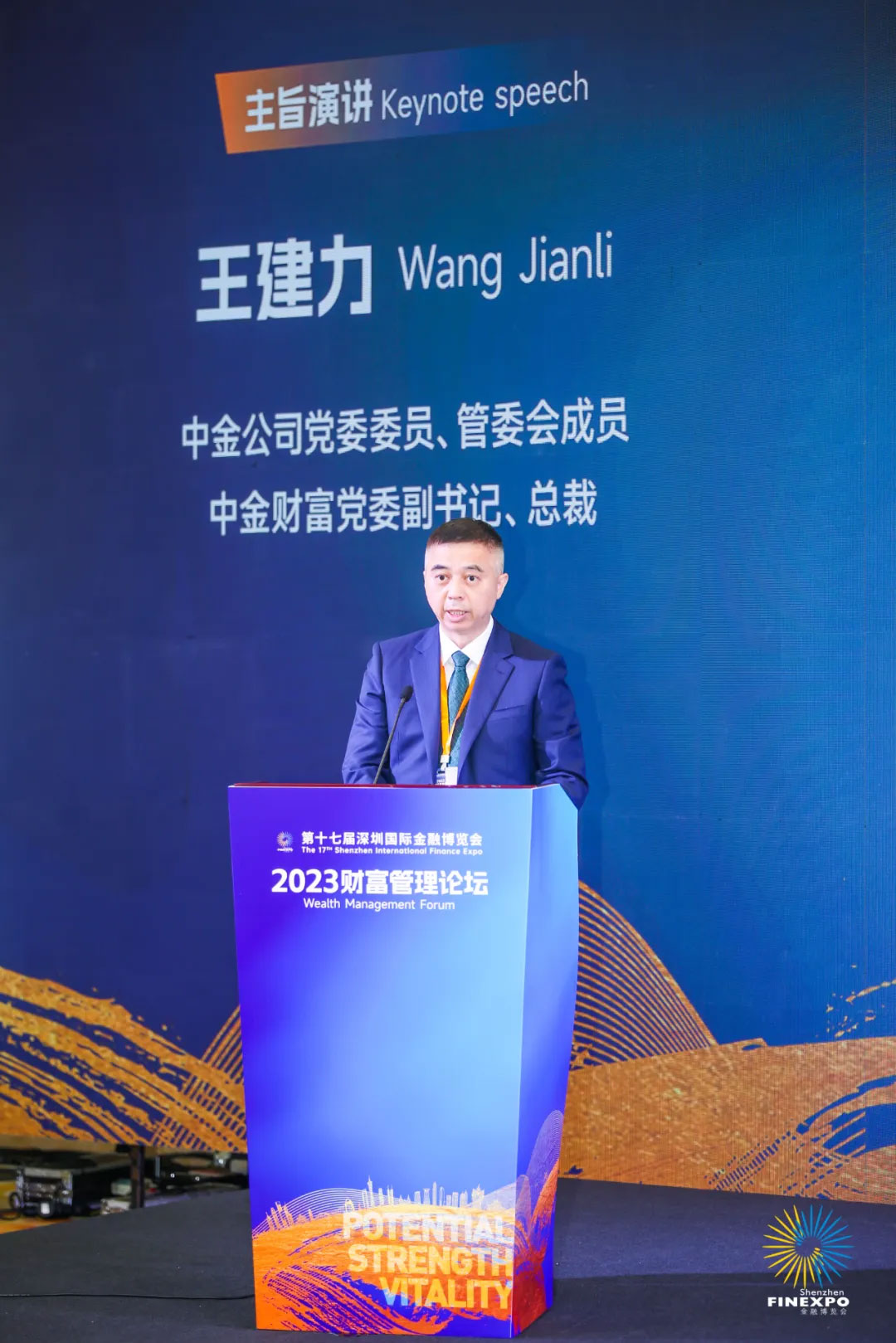
Wang Jianli, Member of the Party Committee and Management Committee of CICC, Deputy Secretary of the Party Committee and President of CICC Wealth Management, delivered a keynote speech entitled Two-Way Opening-Up Boosting High-Quality Development of Wealth Management in the Greater Bay Area. He deconstructed wealth management from the perspective of wealth management institutions.He stated that the Greater Bay Area plays a vital role in connecting domestic and international markets and advancing high-level opening-up. As an important part of financial services, wealth management is indispensable to promoting economic prosperity in the Greater Bay Area. CICC and CICC Wealth Management stand ready to actively participate in the two-way opening-up of the Greater Bay Area, keep pace with the nation’s financial reform and opening-up, and foster the development of the wealth management industry in the region.According to Wang Jianli, as the wealth management platform of CICC, CICC Wealth Management is incorporated in Shenzhen. Building on years of professional expertise, it has taken the lead in advancing the transformation toward wealth management. Adopting a client-centric, buy-side perspective, the firm has established an international-standard, multi-tiered buy-side advisory service system.As of September 2023, the assets under administration of financial products at CICC Wealth Management exceeded RMB 360 billion, with buy-side advisory assets reaching RMB 81.3 billion.
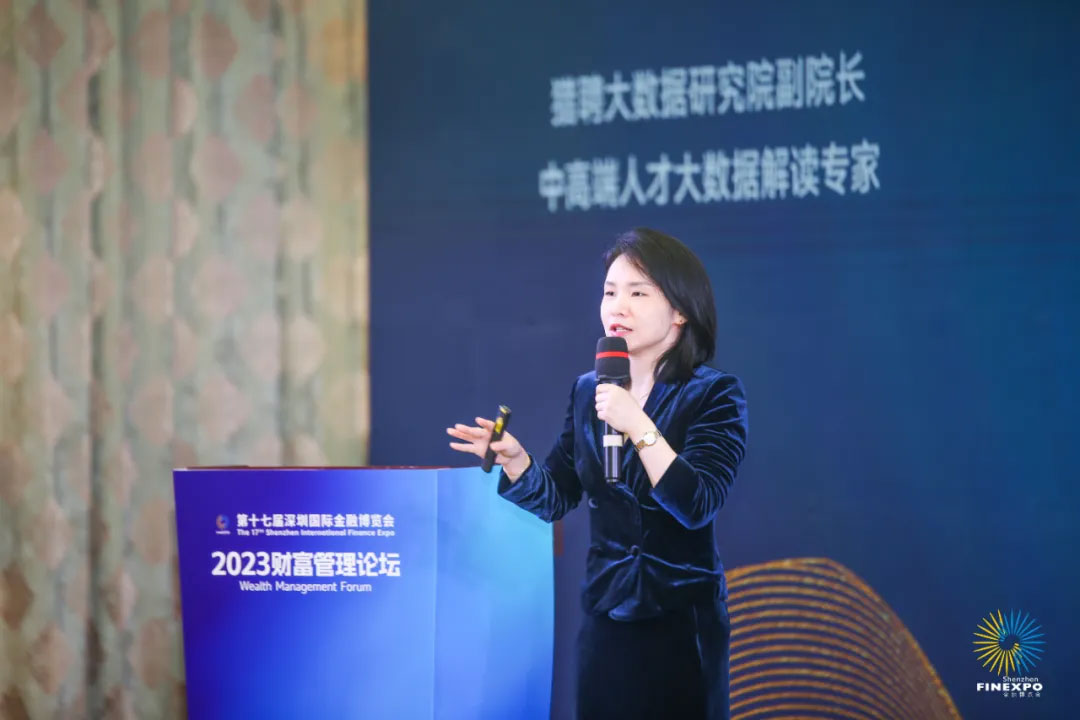
Yang Liu, Vice President of Liepin Big Data Research Institute and Expert on High-End Talent Big Data Analysis, delivered a presentation themed Talent Development and Growth in the Wealth Management Industry. She noted that from 2018 to 2022, the top three cities with the strongest talent demand in the financial industry were Beijing, Shanghai and Shenzhen. Meanwhile, she observed a clear trend: as the two major financial centers underpinning the development of the Guangdong-Hong Kong-Macao Greater Bay Area, Guangzhou and Shenzhen have seen a significant rise in talent demand in recent years.
Roundtable Forum Focuses on the Silver Economy
Against the backdrop of rapid population aging, the “silver economy” is expanding at an accelerated pace, requiring policymakers and social innovators to adopt new measures and wealth management strategies to address the economic implications of aging.
Against this background, the 2023 Wealth Management Forum held a special roundtable session themed Wealth Management in an Era of Longevity.Representatives from industry associations, financial institutions and leading enterprises were invited to engage in in-depth discussions on the socio-economic structural shifts in an era of longevity, health and retirement wealth management, policy innovation and social innovation. Together, they explored the opportunities and challenges brought by the longevity economy.
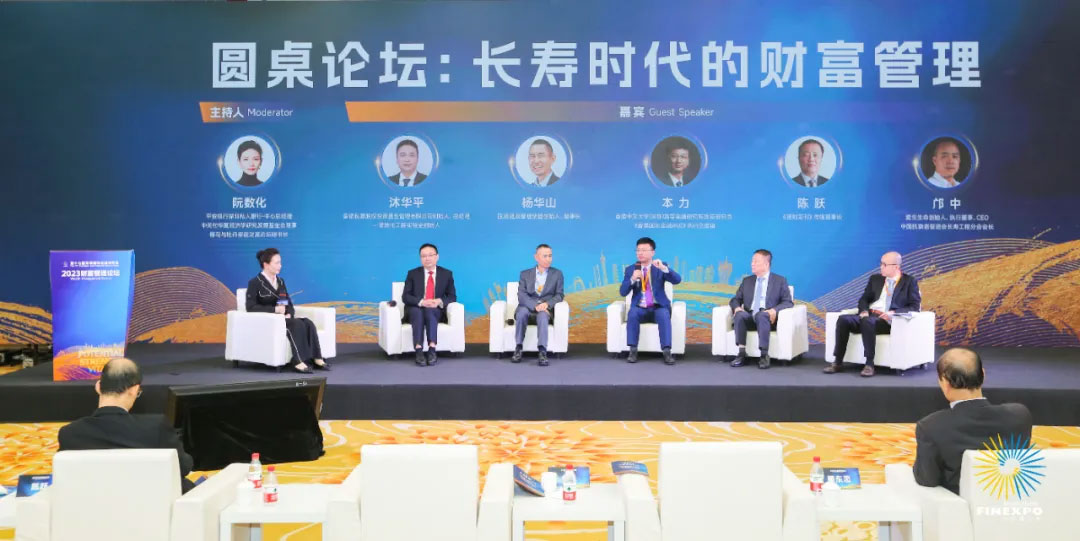
The roundtable forum was moderated by Ms. Ruan Shuhua, General Manager of Private Banking Center One, Ping An Bank Shenzhen, Director of ZhongguancunHuaxia Economics Research & Development Foundation, and Secretary-General of Plum & Peony Family Wealth Forum. The panelists included:Mu Huaping, Founder & General Manager of Tainno Private Equity Fund Management Co., Ltd., and Founder of Yinuo Translational Engineering Lab, Yang Huashan, Founder & Chairman of Guokang Health Management Group, Ben Li, Research Fellow at Shenzhen Finance Institute, The Chinese University of Hong Kong, Shenzhen, and Executive Editor-in-Chief of Hong Kong International Finance RevieHong Kong Institution for International Finance, Chen Yue, Chairman of Money Weekly Media, Kuang Zhong, Founder, Executive Director & CEO of Full Life Biotech, and President of the Longevity Engineering Branch of China Anti-Aging Promoting Association.
Ms. Ruan Shuhua noted that with advances in medical technology and rising living standards, longevity has become a reality, yet it also brings new challenges. Ensuring stable wealth growth amid extended lifespans is a critical practical issue that wealth management must address.
Ben Li pointed out that as China’s population ages rapidly, the country faces the challenge of “growing old before getting rich.” In asset allocation, a holistic approach is needed across health, life, and financial assets to make rational decisions on consumption, savings, and investments.
Yang Huashan emphasized that health management should be integrated with insurance. As society ages, the definition of “elderly” must be redefined. In this new era of creativity, families and society will face greater challenges, requiring early preparation in youth, healthy lifestyles in middle age, and proactive health management to adapt to aging.
Mu Huaping believed that artificial intelligence presents significant investment opportunities in elderly care. Longevity technologies cover prevention, diagnosis, treatment, and anti-aging—particularly the incubation and development of anti-aging tech companies are worthy of investment.
Chen Yue stated that as we enter the longevity era, it is crucial to develop wealth management models tailored to socio-economic and demographic structures. Retirement-focused wealth management in this era has four key features: long-term sustainability, stable long-term returns, stringent risk control, and rising healthcare spending. The third pillar pension system should be vigorously developed, with continuous launch of personal pension-targeted investment products. Professional institutions’ strategic allocation can ensure stable long-term returns and mitigate large fluctuations and liquidity risks. Meanwhile, pension finance—especially insurance—should innovate to link not only elderly care services but also medical, nursing, and health preservation offerings, forming a full lifecycle product suite. He expects growth in personal pension assets to drive China’s wealth management market into a new stage.
Kuang Zhong said that achieving national health and longevity is a hallmark of national prosperity and rejuvenation. Chinese scientists are on par with their Western counterparts, and a new track should be created. Technologies solving longevity issues carry enormous economic value. He argued that longevity tech products should be public goods with public attributes, not exclusive to the wealthy.